
The Gilded Age was one of those strange moments in history where a civilization appears to be sprinting forward while simultaneously tearing itself apart underneath the surface.
The term itself came from Mark Twain, who understood something important: gold plating is not solid gold. “Gilded” means there’s a thin layer of shine covering something rough, cheap, or rotten underneath.
And that was America between roughly the 1870s and early 1900s.
On the surface, it looked like a miracle.
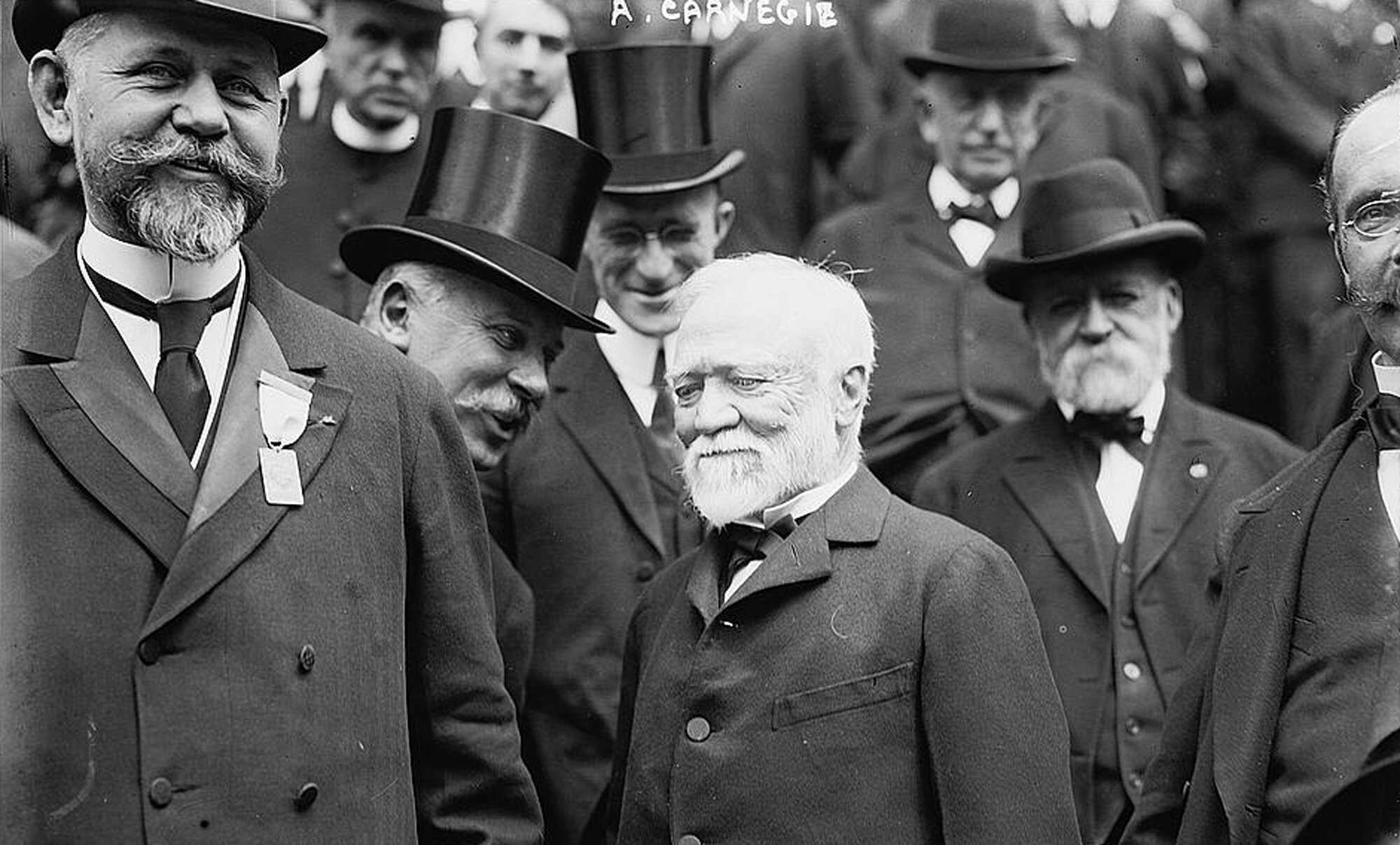
Railroads exploded across the continent. Steel skyscrapers rose into the sky. Oil fortunes appeared almost overnight. Cities grew so fast they looked like they were mutating in real time. Immigrants poured into the country by the millions. Industrial production surged. Men like John D. Rockefeller, Andrew Carnegie, and J. P. Morgan accumulated wealth on a scale the world had almost never seen before.
To many Americans, it must have felt like they were living through the birth of the future itself.
But underneath all that progress was social stress at an almost geological level.
Workers routinely labored 12-hour days, six or seven days a week. Children worked in factories. Industrial accidents mangled people constantly. Entire families lived packed together in suffocating tenements beside unimaginable wealth. Political corruption was so common it barely shocked anyone anymore. Senators were openly bought. Police departments functioned like private security forces for industrial interests. Labor strikes sometimes turned into small wars.
And maybe the most important part:
The speed of change itself overwhelmed people.
That’s something historians sometimes underestimate. Humans can only absorb so much transformation before institutions, traditions, and social norms begin lagging behind reality. During the Gilded Age, technology and industrialization accelerated faster than the political system could adapt to it.
Sound familiar?
Because the argument that we’re living through a kind of second Gilded Age becomes hard to ignore once you start lining up the parallels.
Today’s railroad barons are tech oligarchs.
The old monopolies controlled steel, oil, rail, and banking. The modern ones control information, logistics, cloud infrastructure, algorithms, artificial intelligence, advertising, and increasingly, human attention itself.
The billionaires of the 1890s built giant mansions to demonstrate power. The billionaires of today build private rocket ships, buy social media platforms, and fund projects that sound like rejected science fiction plots.
The industrial factories of the original Gilded Age pulled rural workers into cities. The digital economy today reorganizes society around screens, data, automation, and remote systems that are transforming human relationships, labor, and even identity itself.
And once again, the pace of change feels faster than society can emotionally process.
You can almost feel people struggling to psychologically stabilize themselves inside systems they no longer fully understand.
One of the strangest similarities between the original Gilded Age and today is the atmosphere of contradiction.
In both periods, people simultaneously believed society was becoming more advanced while also feeling like something essential was slipping away.
The late 1800s produced astonishing technological breakthroughs alongside crushing loneliness, labor unrest, corruption, and anxiety about concentrated wealth.
Today we live in an age where a person can hold the collective knowledge of humanity in their pocket while feeling isolated, economically insecure, politically powerless, and psychologically exhausted.
That contradiction matters.
Because periods of enormous wealth concentration tend to destabilize societies in subtle ways long before collapse ever becomes visible. Institutions start serving wealth instead of citizens. Public trust erodes. People stop believing the rules apply equally. Politics becomes theatrical because actual structural change becomes harder to achieve.
The original Gilded Age eventually produced backlash movements for exactly this reason.
Antitrust laws. Labor unions. Trust busting. Progressive reforms. Banking regulations. Worker protections.
The society reached a point where even many elites recognized that the imbalance had become dangerous.
That’s the real question hanging over the modern era.
Not whether today looks exactly like the old Gilded Age. History never repeats that cleanly.
The real question is whether we are living through another period where technology, wealth concentration, and institutional weakness are outrunning society’s ability to maintain cohesion.
And if that’s true, then we may still be in the early chapters of whatever comes next.