Category

Category: History

History

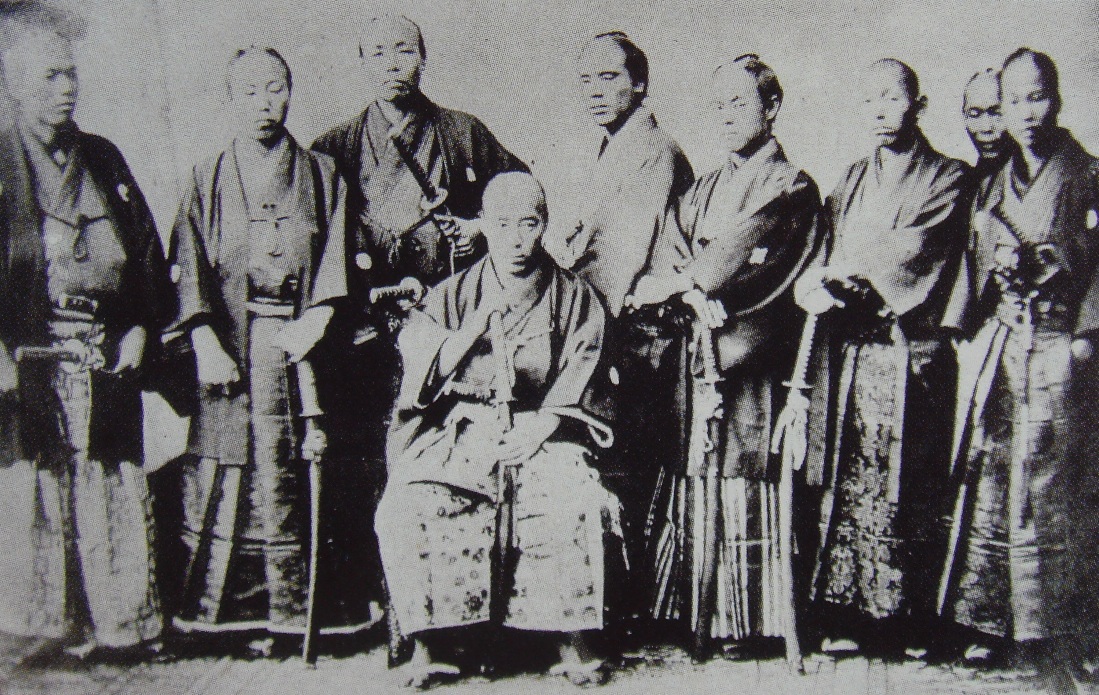
Could You Have Become a Samurai in Feudal Japan?

You’ve watched Shōgun. You’ve played Ghost of Tsushima. Maybe you’ve imagined yourself standing in polished armor with two swords at your side, sworn to a powerful lord and living by the legendary code of bushidō.

But if you had actually been born in feudal Japan, what are the odds you would have become a samurai?

Unfortunately, they’re not very good.

Read the rest: Could You Have Become a Samurai in Feudal Japan?
History

The Calm Before the Tempest: Samarkand in 1218

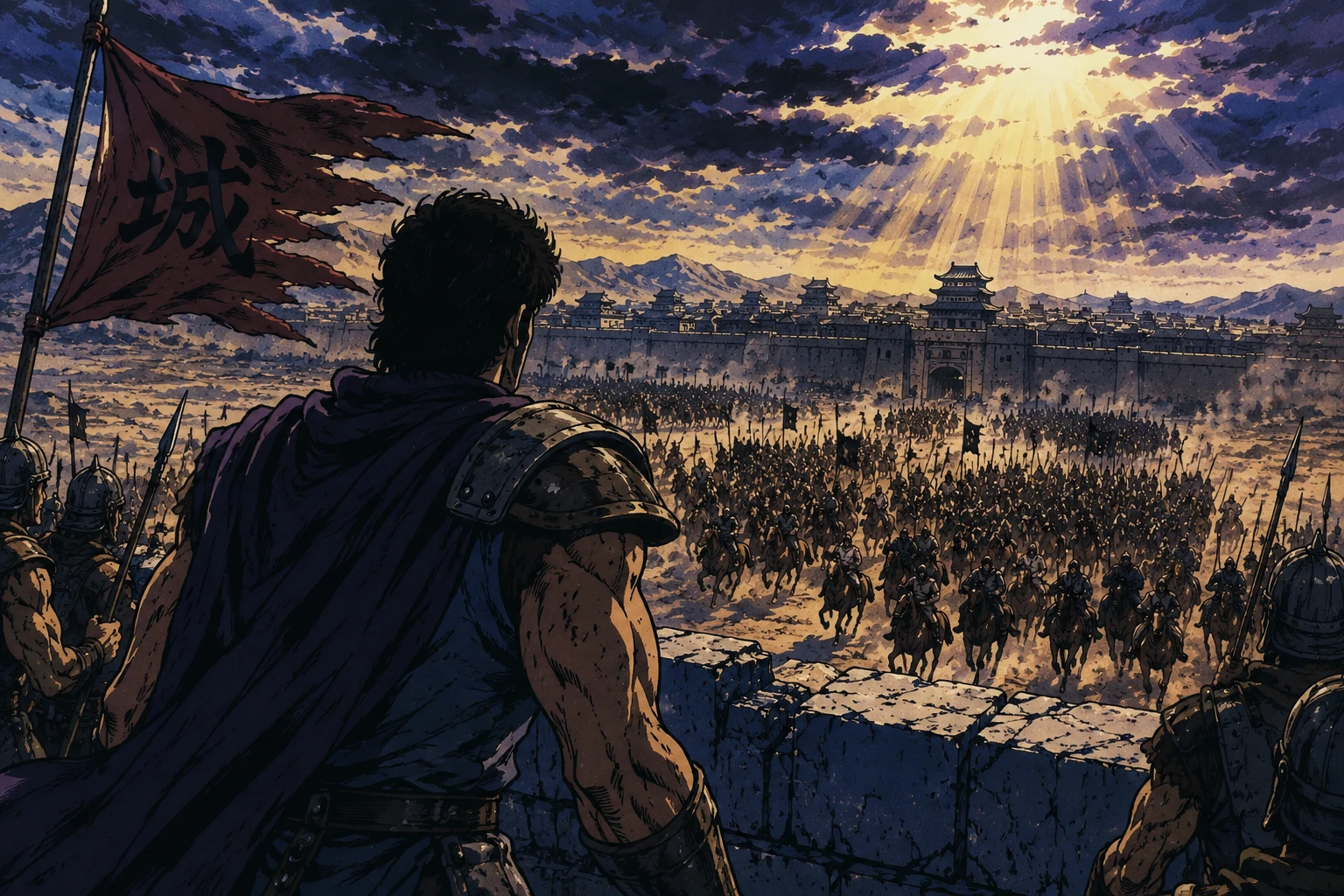
Imagine yourself as a citizen of the Khwarezmian Empire, residing in the illustrious capital of Samarkand in the year 1218. Samarkand, a jewel of the Silk Road, renowned for its splendor and cultural richness. This city, your home, pulses with the daily bustle of merchants, scholars, and artisans. It’s a place where the air is thick with the fragrance of spices and the hum of lively conversation.

Read the rest: The Calm Before the Tempest: Samarkand in 1218
History

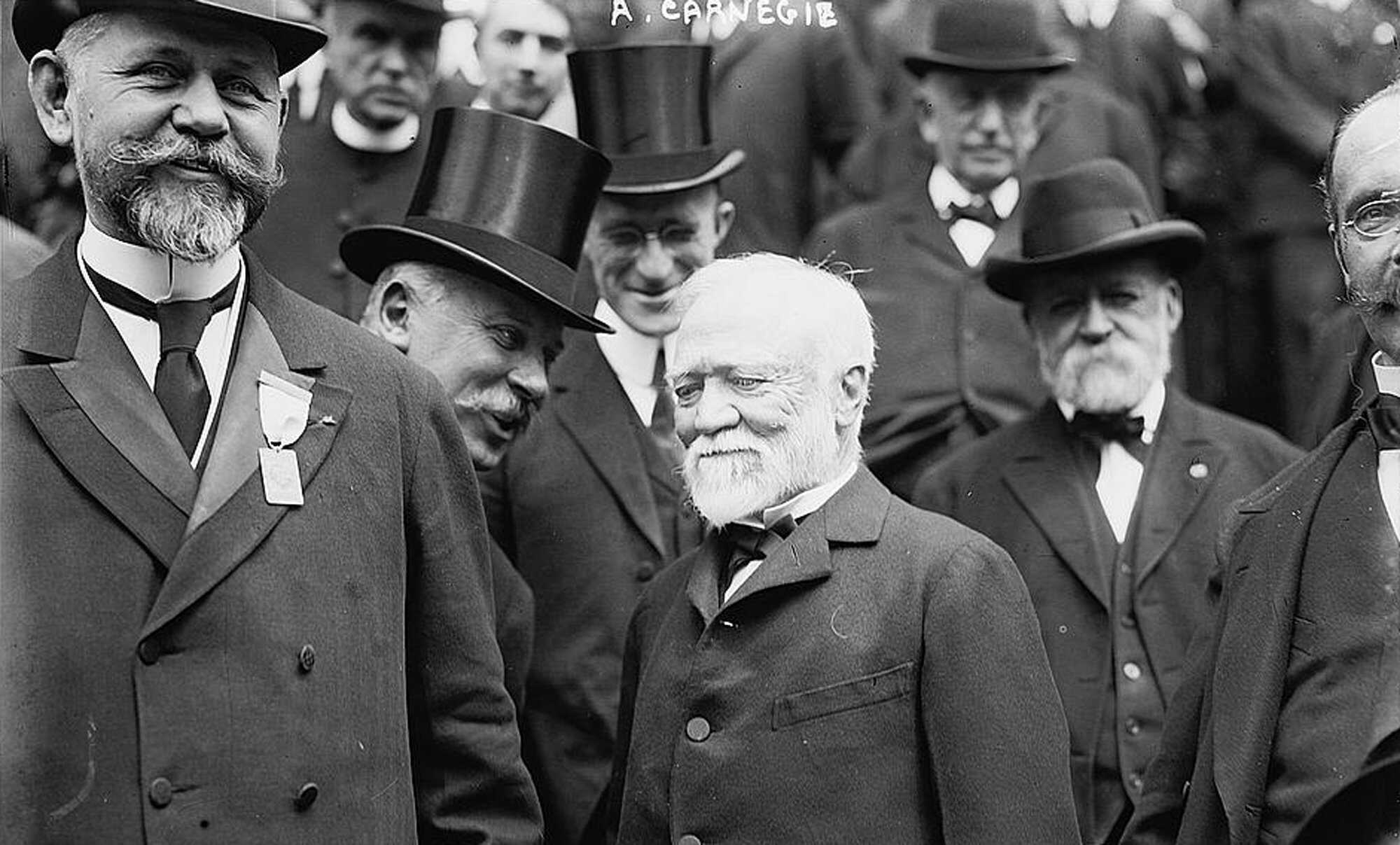
What the Gilded Age Can Teach Us About Modern America

The Gilded Age was one of those strange moments in history where a civilization appears to be sprinting forward while simultaneously tearing itself apart underneath the surface.

The term itself came from Mark Twain, who understood something important: gold plating is not solid gold. “Gilded” means there’s a thin layer of shine covering something rough, cheap, or rotten underneath.

And that was America between roughly the 1870s and early 1900s.

On the surface, it looked like a miracle.

Read the rest: What the Gilded Age Can Teach Us About Modern America
History

Salamo Arouch, The Man Who Boxed for His Life in Auschwitz

04arouchlarge

There are episodes in human history so strange, so grotesquely inverted from what we consider normal, that they almost read like mythology. The story of Salamo Arouch is one of them. A Jewish middleweight boxer from Thessaloniki—undefeated, national champion, a local celebrity in a cosmopolitan port city—he walked into Auschwitz not as a fighter, but as prisoner number 136954. And yet, bizarrely, the skills that mattered inside that universe were not the ones that mattered outside. In the world the Nazis built, a man’s ability to read a jab, slip a hook, and stay on his feet was suddenly a currency of survival.

Read the rest: Salamo Arouch, The Man Who Boxed for His Life in Auschwitz
History

Diary Of A German Soldier Fighting In Stalingrad

In July 1942, the Germans resumed their advance into the U.S.S.R. begun the previous summer, seeking to conquer Stalingrad, a vital transportation center located on the Volga River. Germans and Russians battled with dogged ferocity over every part of the city; 99 percent of Stalingrad was reduced to rubble. A Russian counteroffensive in November trapped the German Sixth Army. Realizing that the Sixth Army, exhausted and short of weapons, ammunition, food, and medical supplies, faced annihilation, German generals pleaded in vain with Hitler to permit withdrawal before the Russians closed the ring. On February2, 1943, the remnants of the Sixth Army surrendered. More than a million people-Russian civilians and soldiers, Germans and their Italian, Hungarian, and Romanian allies-perished in the epic struggle for Stalingrad. The Russian victory was a major turning point in the war.

Read the rest: Diary Of A German Soldier Fighting In Stalingrad
History

How Adolf Hitler Spent His Final Day on Earth

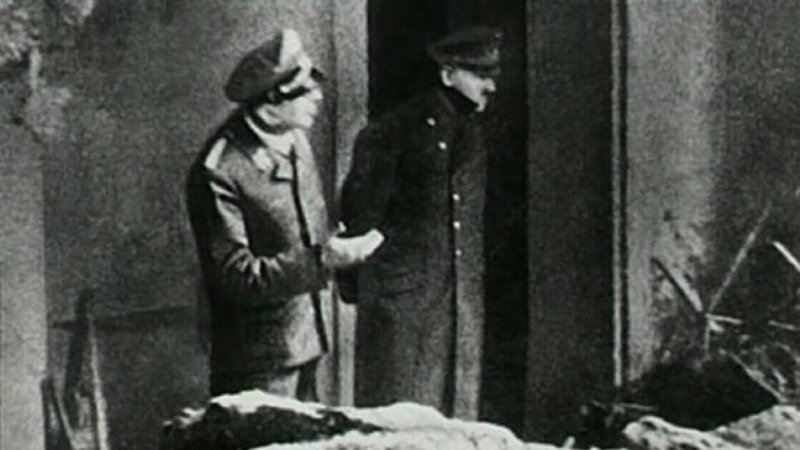
It’s a Monday. Berlin is unrecognizable. The once-proud capital of the Third Reich is now a pulverized hellscape, hammered into submission by relentless Soviet artillery. The Red Army is pushing through the rubble with a fury born not only of war but of vengeance. And at the center of this ruin—thirty feet below the surface in a reinforced concrete maze—the architect of this nightmare is living out the last hours of his life like a cornered animal.

Read the rest: How Adolf Hitler Spent His Final Day on Earth
History

The Hundred Man Killing Contest: A Glimpse into the Abyss

There are some historical footnotes so grotesque, so infused with an almost cinematic evil, that you find yourself hoping they’ve been exaggerated—warped by time, lost in translation, or distorted by political motives. But then you look deeper. You follow the primary sources. You listen to the testimony. And suddenly, you’re no longer dealing with myth or rumor. You’re staring straight into the abyss of what humans are capable of under the right (or wrong) conditions.

Read the rest: The Hundred Man Killing Contest: A Glimpse into the Abyss