
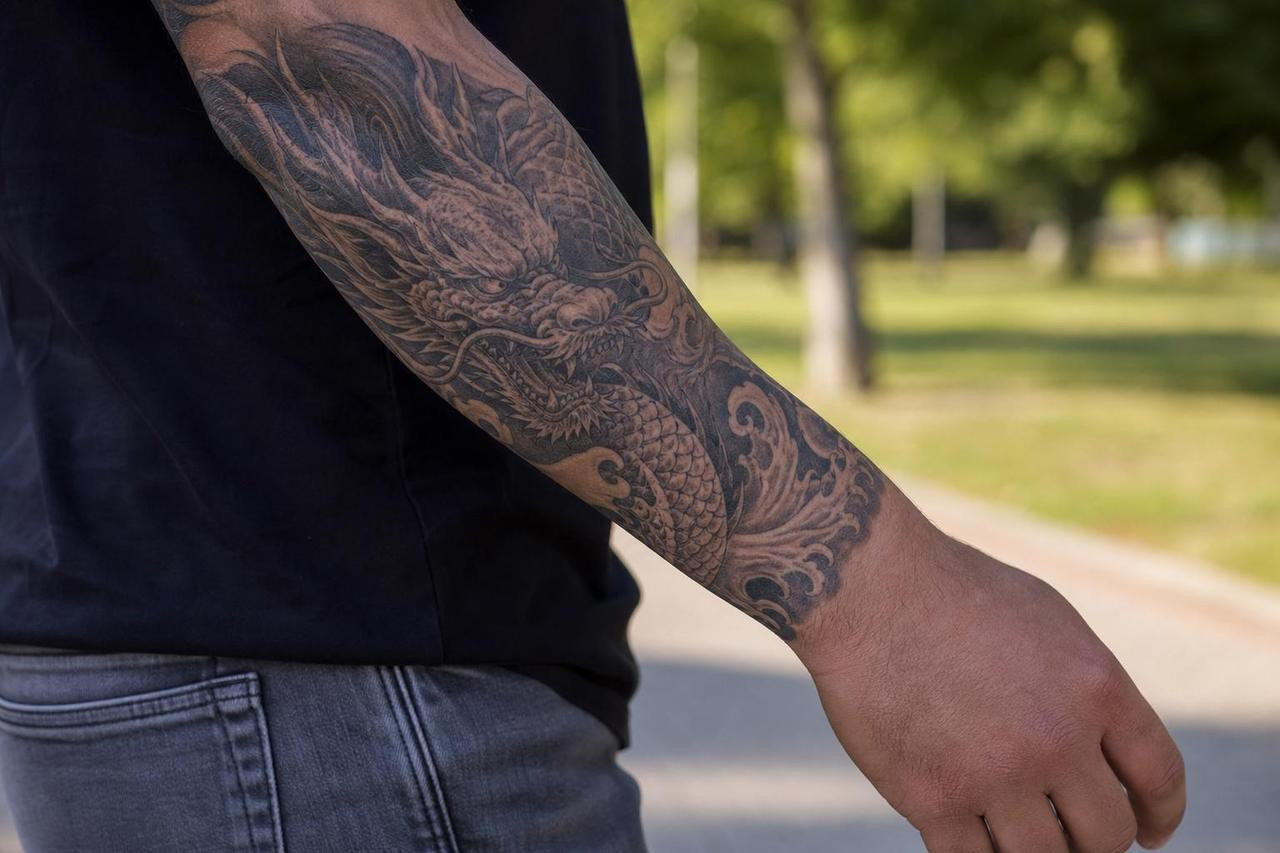
The tattoo removal business is booming. By 2027, the laser removal market is projected to hit nearly $800 million. That's a lot of people paying a lot of money—and enduring a lot of pain—to erase decisions they made in a flash of enthusiasm.
I almost joined them. A few months back, I seriously considered getting the Caveman Circus logo inked on my arm. I love this brand. I believe in what we do.
But I stopped myself when I realized something uncomfortable: the thing I'm passionate about today might not represent who I am a decade from now. The logo would be a fossil of a former self. That's the risk with any tattoo, even the meaningful ones.
Here's what I've learned about getting a tattoo you'll actually want to keep.
Key Takeaways
The only true mistake is picking the wrong artist; bad execution from a bad artist can't be fixed by a good design.
One Reddit user waited 8 months for a small ankle piece and 2 years for a larger thigh piece—patience that concrete beats vague "wait a while" advice.
Tattoos tied to beliefs or relationships are high-risk because those things change; designs based on stable connections (pets, kids, lifelong fandoms) or pure aesthetics age better.
Step 1: Find the Right Artist—The Only Decision That Truly Matters
A Reddit user named Astilaroth put it bluntly: The only true mistake is picking the wrong artist. Brooklyn tattoo artist Angel Garcia says the majority of regret comes from a bad experience, not a bad image. Feeling rushed, disrespected, or unsafe during the process is a recipe for hating a tattoo before the ink even settles.
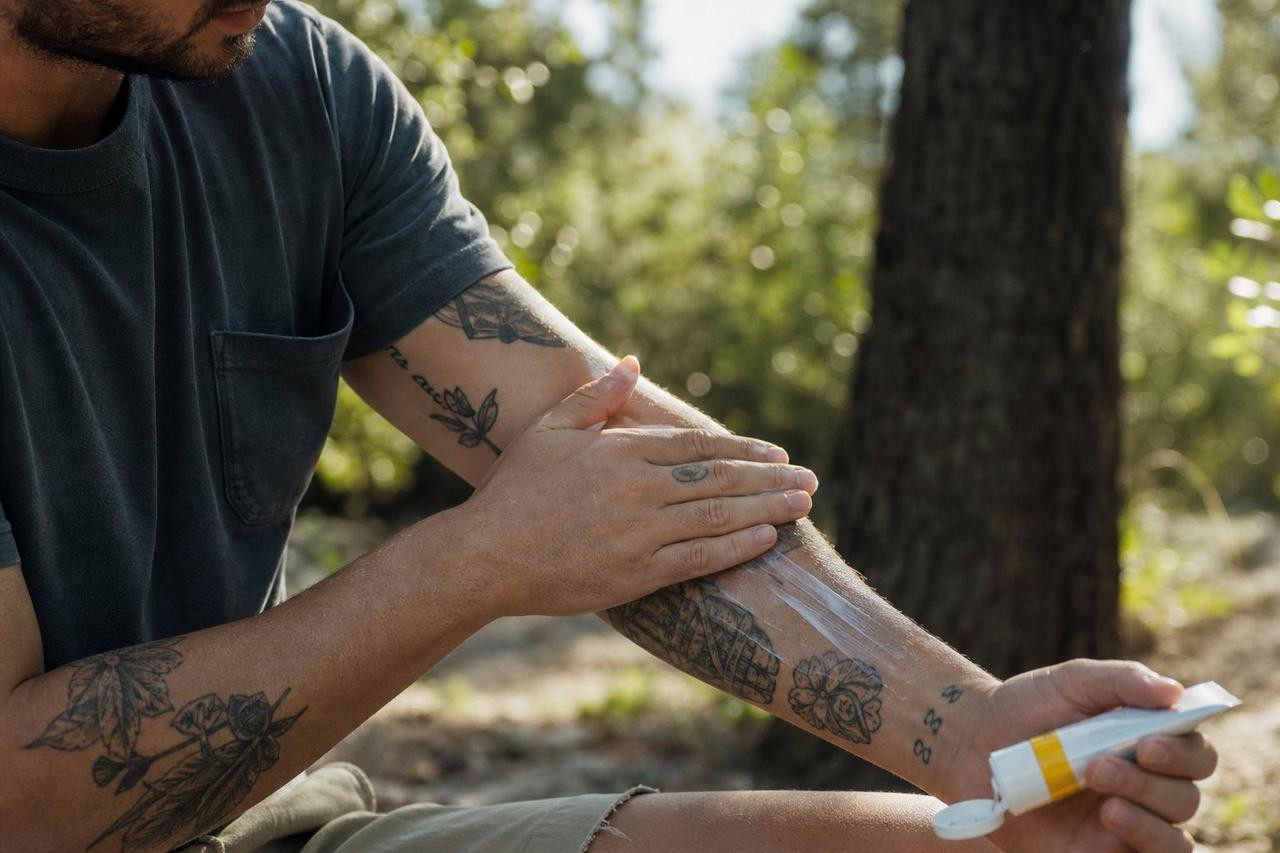
The artist's skill determines everything—bad execution can't be saved by a good design.
Bad execution—blowout lines, asymmetrical placement, muddy colors—is the most common complaint you'll find in tattoo regret threads. A good artist prevents all of that.
How to research an artist: healed photos, word-of-mouth, and in-person vibes
Start with healed photos, not just fresh ones. Fresh ink always looks sharp. Healed photos show you how the artist's work actually settles into skin. That's where the real skill shows.
AJ Chugg, an artist in Portland, Oregon, says word-of-mouth reputation matters more than Instagram follower count. Anyone can buy followers. You can't buy a reputation for being respectful, clean, and consistent. Alejandra Pires, a heavily tattooed person in the Midwest, suggests researching industry norms and individual artists' styles before booking.
Then book an in-person consultation. Garcia says to see the flash book, discuss custom work, and get the vibe. If the artist seems distracted, dismissive, or just off, trust that feeling.
What to look for during consultation and stencil placement
Garcia encourages getting a stencil placed on your body first. See how it looks in the mirror. Take your time. It's completely normal to ask for tweaks to a custom design—Pires confirms that. Chugg says you can stop the procedure at any time if you're uncomfortable.
And if the vibes feel off during the consultation or the appointment itself, back out. Even if you lose the deposit. That's cheaper than a lifetime of regret or a $500 removal session.
Step 2: Use Time as Your Regret Insurance
One Reddit user, Goblincat5150, has a smarter system. She waited 8 months for her first tattoo, a small ankle piece. For her second, a larger thigh piece, she waited 2 years. Now she's planning the next two more than a year and a half out.
Waiting a year before booking separates a genuine want from a passing impulse.
I made the opposite choice. I got a bunch of arm tattoos in a short period out of pure impatience, and I regret not slowing down. A few of those I'd take back if I could.
How to use the waiting period as a genuine self-audit
The question isn't "Do I want this?" It's "Will I want this after the novelty wears off?" Garcia says to take enough time to consider the permanence—not 15 years of thought, just enough to be sure.
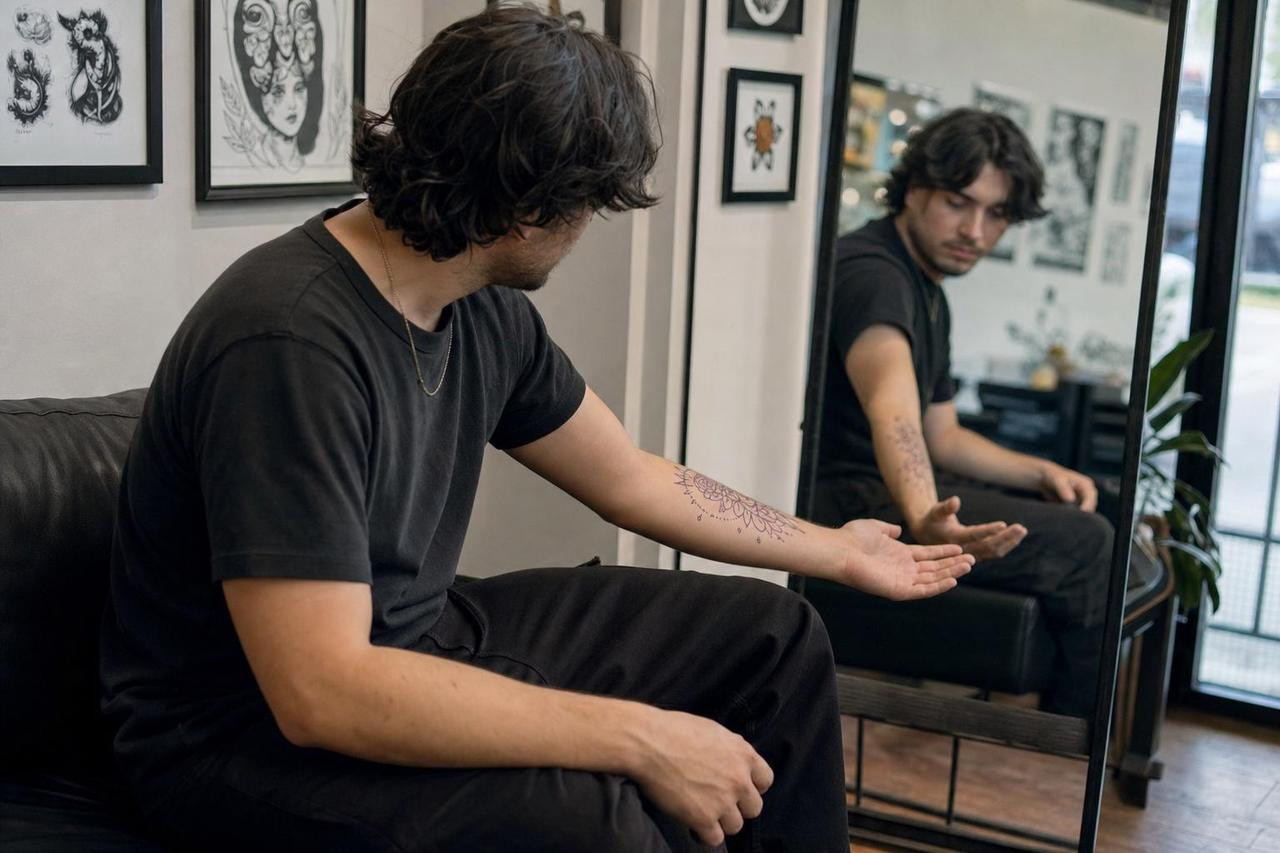
Taking time with the stencil in the mirror is the cheapest regret insurance you'll ever buy.
I blame my late-20s impulsivity on what some cultures call a Saturn return. That's just a framing, not something I believe in astrologically, but it captures the feeling: a period where you're itching to make big decisions and often make bad ones. The waiting period lets that impulse cool. If the design still feels right after a year, you're probably safe.
Step 3: Decide What Your Tattoo Really Means to You
One of the most useful pieces of advice I found came from Reddit user Cultigen: Don't get tattoos with great meaning or symbolic representation of beliefs because beliefs change. Tattoos are art—get them because they look cool.
The identity trap: why beliefs-based tattoos are high-risk
A tattoo tied to a specific belief system, relationship, or transient identity is risky because those things change. The guy who gets a meaningful symbol at 20 might not believe the same thing at 35. That symbol becomes a reminder of a former self rather than a celebration of the current one.
Purely aesthetic choices—flora, abstract patterns, animals you just like—often age better because they don't carry identity dissonance. You don't have to defend or explain them. They just look good.
When meaning works: stable identity anchors and aesthetic choices
Exceptions exist. Lifelong fandoms can work. Reddit user BillMcrearysMoustach has a full Dragonball Z sleeve. He's been a fan since childhood and doubts he'll ever dislike it. That's a stable identity anchor.
Pets, children, deceased loved ones, parents, grandparents—those are safe bets, says user neznumber3. The bond isn't subject to change. Another user, eventhedevil, got a dragon tattoo at 18 and still loves it at 32. Sometimes early choices work out, and that includes a parent who says, "you are free to be you," as one author recently put it. DangDoubleDaddy's first tattoo was a peace symbol with the text "everything has a cost." Nothing about that is changing.
Garcia puts it simply: Liking this design is enough—that can be empowering. Voidxleech agrees: Symbolic importance is overrated. Get what you want without taking it too seriously.
Step 4: Choose a Design That Lasts—Fads vs. Forever
Tramp stamps, tribal tattoos, Southern Cross. These were everywhere. Now they're cover-up fodder.
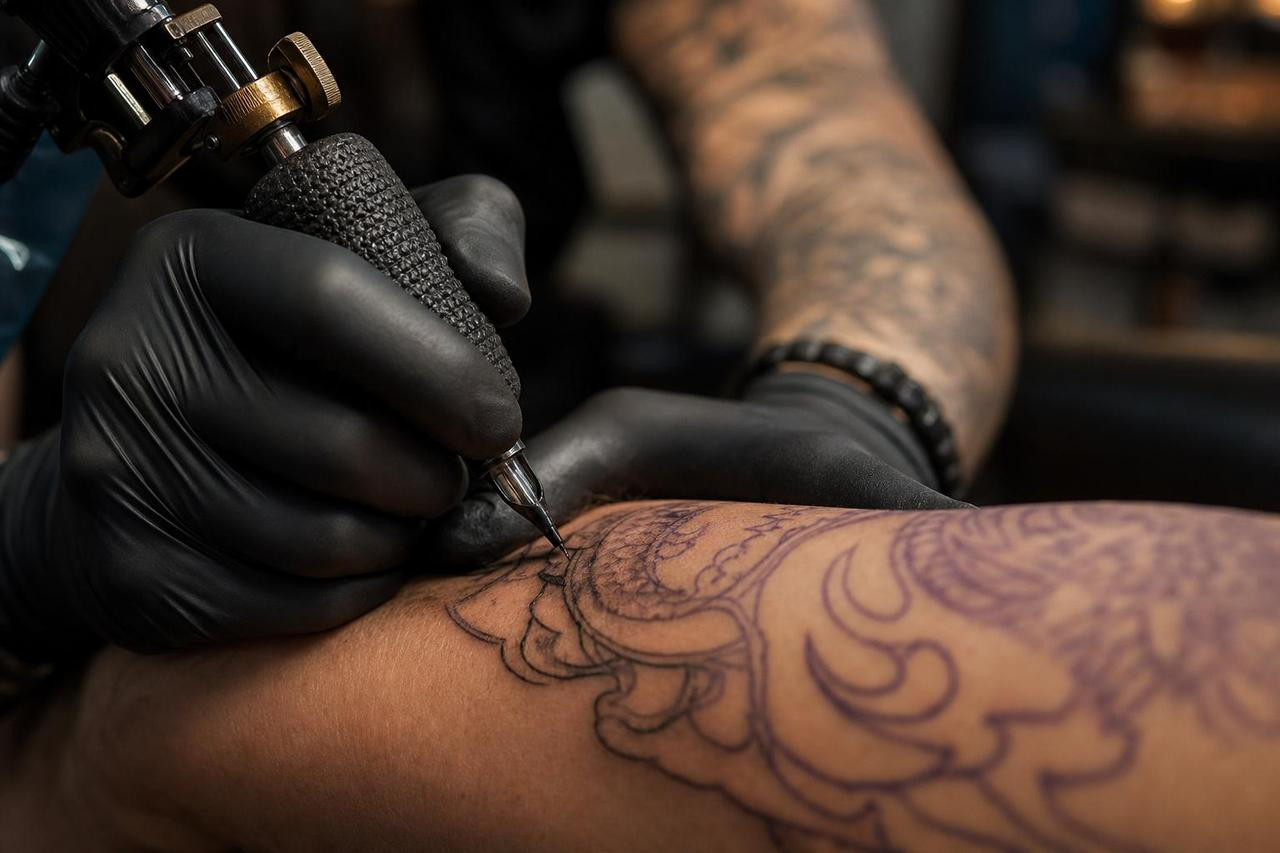
Beliefs change—that meaningful symbol at 20 can feel like a stranger's mark at 35.
What makes a tattoo a fad (and why fads fail)
Fads are driven by social cachet, not personal resonance. You get a design because everyone else is getting it, not because it connects with anything real about you. When the trend passes, the tattoo stays.
The Jeremy Furniss blog explicitly calls out tramp stamps, tribal tattoos, and the Southern Cross as classic regretted fads. If you're choosing subject matter based on what's blowing up on your feed, you're asking for trouble.
How to distinguish a fad from a genuine personal symbol
The line isn't objective. It depends on the depth of your connection. Eventhedevil's dragon was arguably a fad design in the early 2000s, but the personal attachment was authentic, so it survived.
The question to ask yourself: "Will I still connect with this when it's no longer popular?" If the answer is yes, you're probably fine. If it's "I don't know" or "probably not," put the design on hold.
Step 5: Pick the Right Spot—Placement, Career, and Real Estate
Many people hate where a tattoo sits, not what it shows.
The real estate problem: why placement is a separate decision from design
Reddit user Runzas_In_Wonderland regrets the placement of her shoulder blade tattoo—a choir/music-related piece she got at 20. She doesn't regret the subject. She regrets that it's "taking up real estate." Shoulder blades, chest, arms—these are prime spots. A mediocre tattoo there blocks something better later.
Placement regret is common and often has nothing to do with the tattoo itself. You might love the design but hate that it's on your forearm where you have to see it constantly, or that it's on your back where you can't.
Career impact, aging skin, and body changes
Highly visible placements—hands, neck—can derail career changes. People who became cops found their hand tattoos problematic. A hand tattoo may seem cool now, but if you are considering a smaller, more discreet option, take a look at this gallery of small tattoos for men before committing to anything that might limit your future.
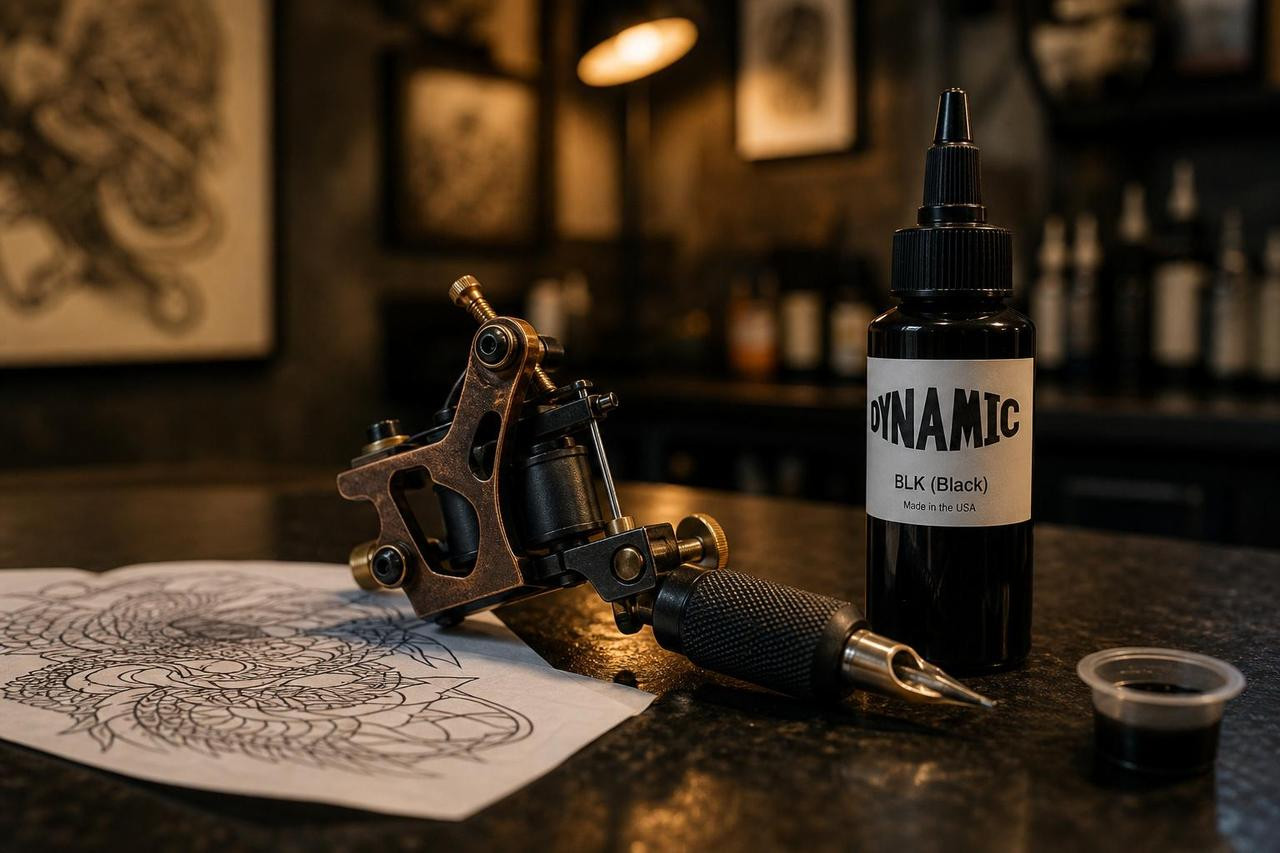
Some early choices survive—a dragon from 18 still works at 32 if the connection was real.
Older skin may not be a good canvas. If it's not smooth, the tattoo won't look great. And tattoos stretch, fade, and warp with weight changes, muscle growth, and aging. Chugg says that the changes a body goes through over time give a piece that grows with it a special quality. But that's easier to accept for a piece you still love.
Step 6: Think Twice About Names, Dates, and Relationship Markers
Reddit user TheHinkleburg has a blunt rule: Avoid cartoon characters or partner names. Every person I have met with a cartoon character ended up regretting it.
User neznumber3 goes further: Avoid names, dates, associations, or anything connected to them.
The blanket rule and why it's too simple
TheHinkleburg's rule is overly broad but directionally correct. High-regret categories include partner names, dates tied to a specific relationship, and band names. These are all things that can change or fade.
But some cartoon tattoos survive. BillMcrearysMoustach's DBZ sleeve is a lifelong fandom with stable identity connection. That's the exception, not the rule.
The exception framework: stable bonds vs. unraveling relationships
Neznumber3's exceptions: pets, children, deceased loved ones, parents, grandparents. Those are safe. The real rule is: No names whose meaning depends on a relationship that could unravel. A partner's name might mean everything today and nothing in five years.
A pet's name? That bond doesn't break.
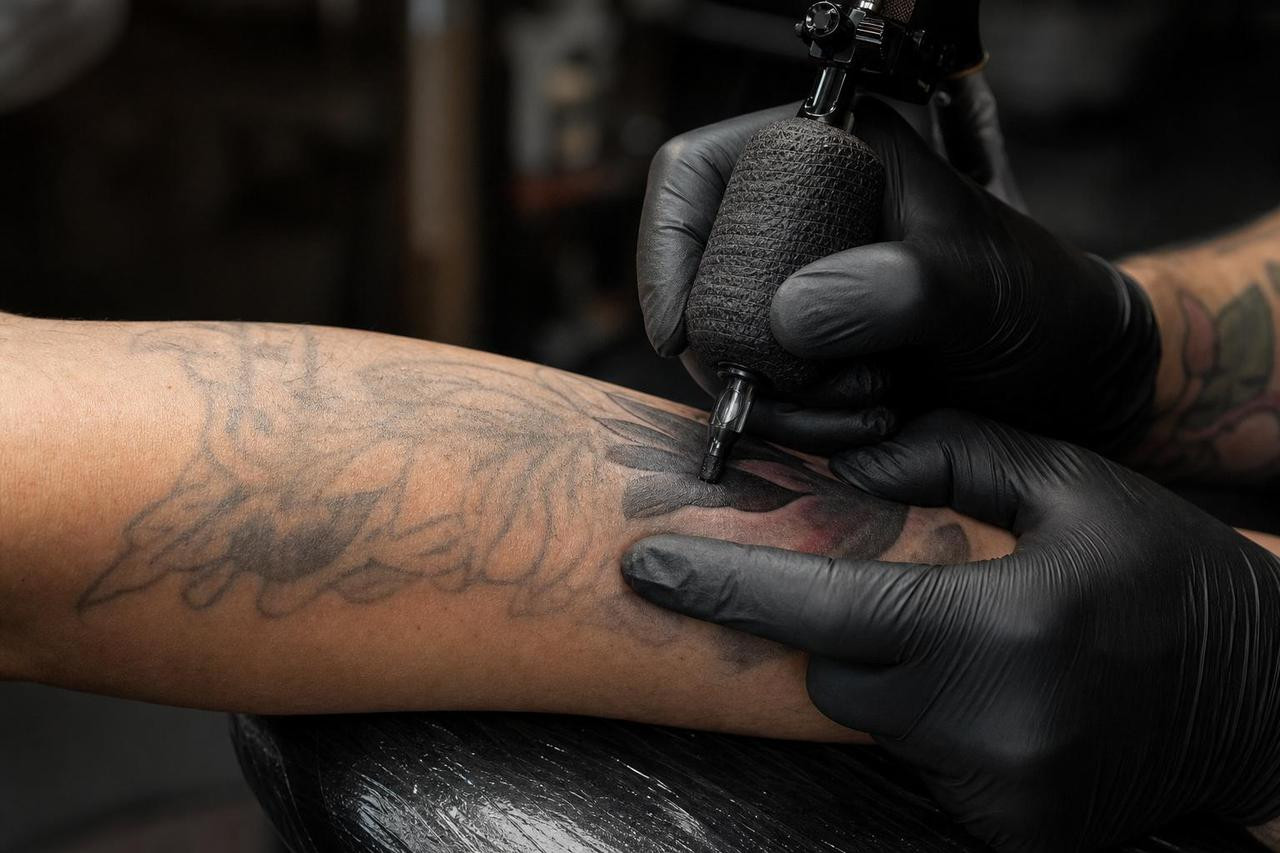
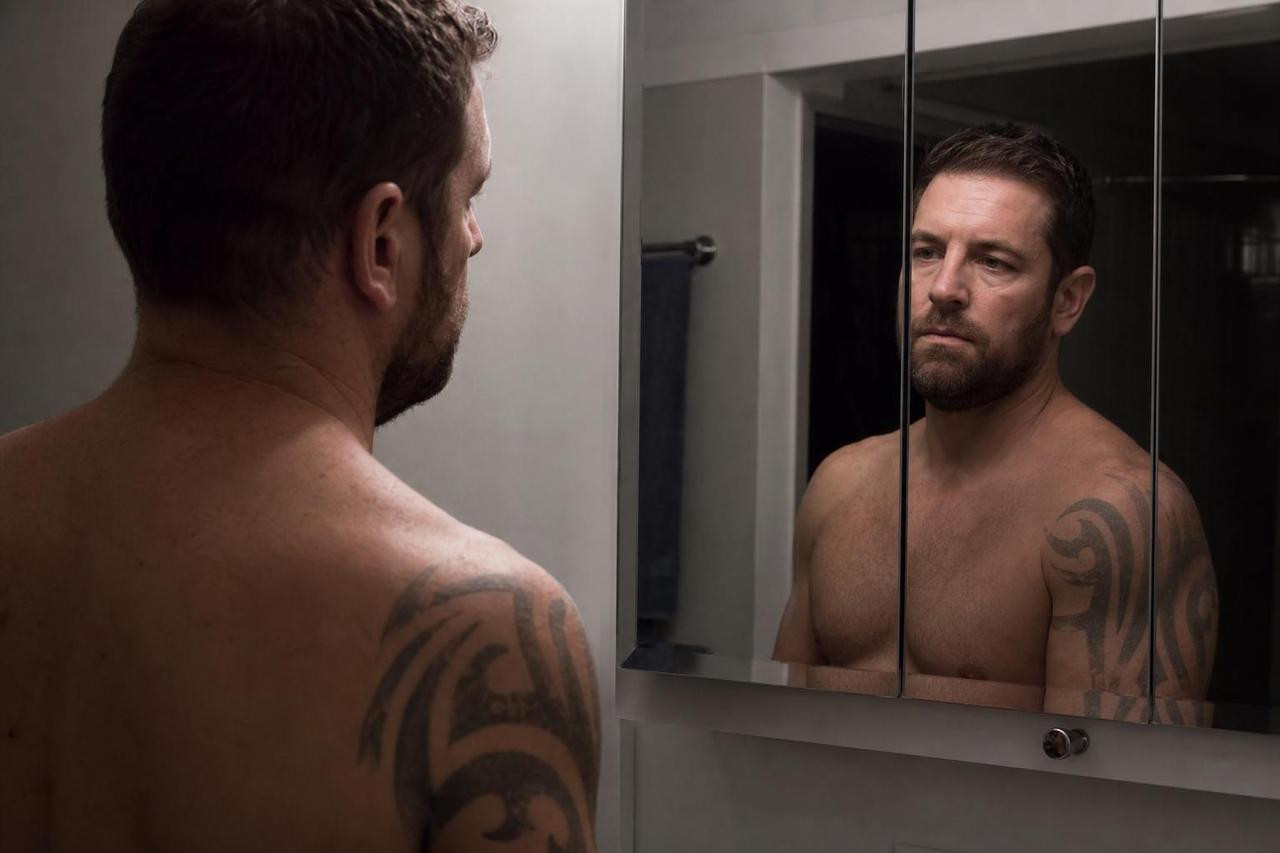
UV damage is the real enemy—daily SPF keeps a crisp design from turning into a blurry mess.
Step 7: Trust the Process—Consultation, Boundaries, and the Right to Back Out
Trusting the process means knowing who to involve and when to walk away. The right consultation and clear boundaries can prevent regret before the needle touches your skin.
A lost deposit is a bargain compared to a lifetime of regret from a bad vibe.
Who to consult (and who not to)
Don't bring friends or family for input. They have different taste and will confuse you. The artist is the only opinion that matters for design advice.
Book an in-person consultation. Look at flash books, discuss custom work, and assess the vibe. If you're not sure about the design, don't say yes. It's normal to ask for tweaks.
Your rights during the appointment: stencil, tweaks, and stopping
Stencil placement on the body is normal. Take time to see how it looks from all angles. You can ask for adjustments. Pires confirms that.
You can stop the procedure at any time if you're uncomfortable. Chugg says that's a fundamental right.
If the vibes feel off, back out even if you lose the deposit. A lost deposit is a bargain compared to a lifetime of regret.
Step 8: Pay for Quality—Why Bargain-Hunting Backfires
Price reflects the artist's experience, skill, and the time they spend on detail. Bargain-hunting is the fastest route to regret. OceLawless puts it well: "Good work is timeless." Astilaroth says: that Never settle for less than the best, and be ready to pay for quality.
A cheap tattoo is expensive to fix—laser, cover-up, or blastover. Don't haggle.
Step 9: Protect Your Tattoo for Life—Aftercare Beyond the First Month
Most aftercare advice focuses on the first few weeks: keep it clean, moisturized, out of the sun.
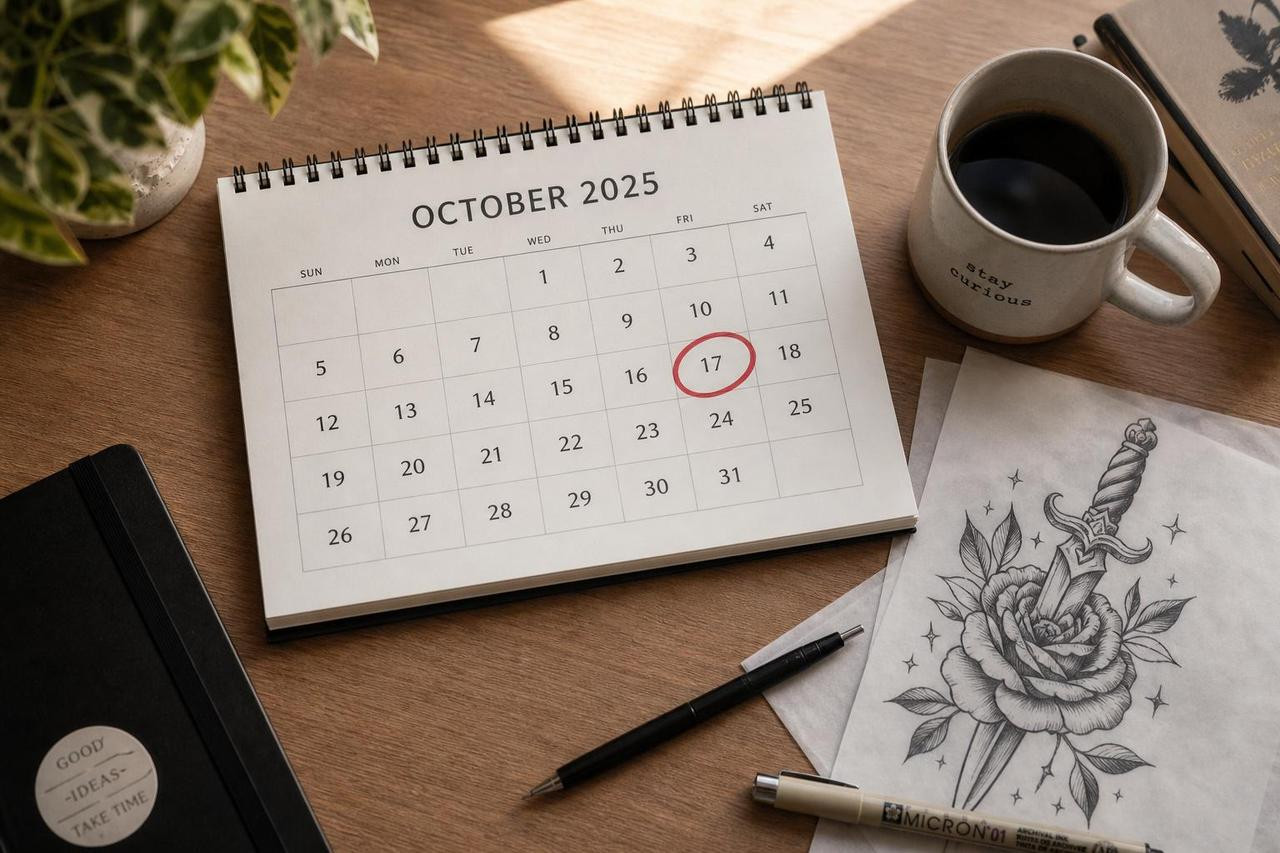
A blastover doesn't erase the past—it builds something new on top of it.
The real enemy of tattoo longevity: cumulative sun exposure
Claire Landsbaum, a writer and editor in NYC, says too much sun exposure can fade or warp your tattoos. Years of UV damage gradually break down the ink particles, turning a crisp design into a blurry mess.
The two-habit maintenance routine
Moisturize daily. Apply at least SPF30 sunscreen before prolonged sun exposure. Good aftercare is an active, ongoing practice—not a one-time thing.
Step 10: What If You Already Regret a Tattoo? Options Beyond Despair
If regret has already set in, you are not out of options. There are paths forward.
Laser removal: costly, painful, and booming
The laser removal market is projected at nearly $800 million by 2027. It requires many sessions, costs a lot, and reportedly hurts more than getting the tattoo.
Blastovers and blast-unders: reinventing what's there
Angel Garcia's signature offering: clown faces tattooed over old tattoos. Garcia says you can take ownership of the original by changing it. A blastover is new art over old ink. A blast-under adds layers to create density, useful for placement or composition regret. Garcia has seen more clients seeking blastovers in recent years.
Radical acceptance: tattoos as historical artifacts
Dan Bouza, an audio engineer in NYC, says some of his tattoos look bad now. But they represent who he was at the time, and eventually he comes back to that acceptance. I'll look like a wet newspaper when I'm older, he says. "I don't mind."
Li Sanchez, a Los Angeles artist, puts it bluntly: Tattoos are not permanent—nothing is permanent. You can fall, scrape, laser, or cover them. Chugg's co-worker calls her tattoos her "first layer."
The Bigger Picture: Tattoos as Life Records, Not Mistakes
Dan Bouza, an audio engineer in NYC, puts it plainly: I'll look like a wet newspaper when I'm older. I don't mind. That acceptance is the heart of the matter. Tattoos are not mistakes—they're life records, snapshots of who you were at a given moment.
Even a "cringey" cartoon can hold meaning. BillMcrearysMoustach's full Dragonball Z sleeve, born from a childhood fandom, isn't a regret—it's a wearable diary entry, proof that what seems silly to outsiders can be deeply personal.
Sanchez again: "Tattoos are not permanent. Nothing is permanent." Tattooing is thousands of years old—it's not going anywhere. And as bodies change and tattoos warp and fade, that impermanence becomes part of the story.
Chugg says that's part of the beauty: the changes a body goes through over time give a piece that grows with it a special quality. Warm, accepting, and true: the tattoos we keep aren't perfect—they're ours.
Frequently Asked Questions
What's the difference between a blastover and laser removal?
Laser removal breaks down ink particles over multiple painful, expensive sessions until the tattoo fades or disappears. A blastover lays new ink directly over the old design, turning the unwanted tattoo into a background element or part of a larger composition. Blastovers are cheaper and don't hurt more than a normal tattoo, but they work best when you're okay with the old design still being visible underneath.
Can you stop a tattoo appointment halfway through?
Yes, you have the right to stop the procedure at any time if you're uncomfortable, and walking away — even if it means losing your deposit, is cheaper than a lifetime of regret or expensive removal. You can also request stencil placement first, see how it looks from all angles, and ask for tweaks before any ink touches your skin. A respectful artist will honor those boundaries.