
I’m 27 and engaged to my fiancée, also 27. We’ve known each other since high school, started dating in 2025, and are supposed to get married next August. Most of the time, our relationship is loving and we handle disagreements calmly.
But I have a problem with how I act when I get extremely frustrated. I’ve punched walls, thrown things, and kicked furniture. Recently, after a stressful day, I threw a lawn chair across the yard. My fiancée told me I could never behave like that again. That matters even more because she was previously in an abusive relationship.
Last weekend, we were drinking with friends when a card game led to an argument about whether we’d had sex on Valentine’s Day. I remembered that we hadn’t. She insisted that we had.
Our sex life has already been sensitive because her sex drive has declined over the past eight months. I’ve been working through my insecurity about that in therapy. The lack of sex wasn’t what upset me. I was upset because she insisted something happened that I remembered differently.
We argued about it that night and again the following night after drinking with friends. Eventually she walked inside, and I threw a bottle against an exterior wall.
When I followed her inside, she was crying and calling a friend to pick her up. We argued again, and I accused her of gaslighting me.
She left shortly before I was supposed to leave for a weeklong work trip. I have a deep fear of abandonment, and I felt like she was walking out on our relationship.
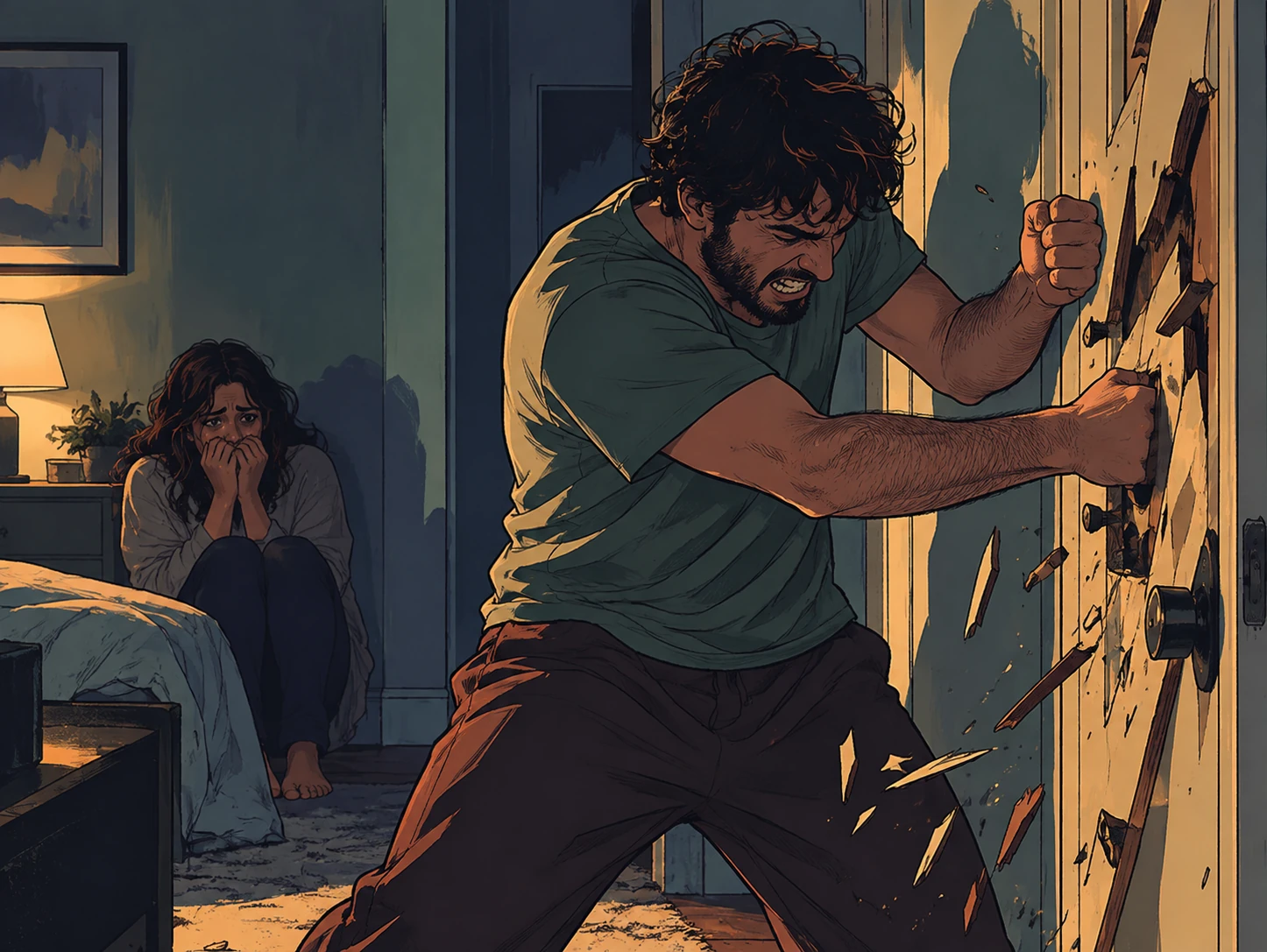
I lost control and repeatedly slammed the bedroom door until it broke.
I know being drunk, angry, scared, or overwhelmed does not excuse what I did. Given her history and my pattern of expressing anger physically, I understand why she may no longer feel safe with me. How do I take responsibility and figure out whether our relationship can recover?
You need to stop focusing on who remembered Valentine’s Day correctly.
That is not the problem anymore.
You broke a door because your fiancée tried to leave an argument.
And this was not a one time explosion. You’ve punched walls. You’ve kicked furniture. You’ve thrown objects. She specifically told you this behavior could never happen again, and then you did it again.
You keep describing these incidents as things you do when you become extremely frustrated. Understand what they look like from the other side of the room.
They look threatening.
You do not have to hit your fiancée for your physical aggression to scare her. A grown man smashing objects during an argument communicates something whether he intends it to or not: Look how physically out of control I am right now.
Your fear of abandonment matters. Your drinking matters. Your frustration matters. None of them gets to become her responsibility.
You were terrified she was leaving, so you responded in a way that gave her a very good reason to leave.
You also need to be careful with the word “gaslighting.” Two people remembering an event differently is not automatically gaslighting. You did not need to solve that disagreement while drunk and furious.
And you certainly did not need to break something over it.
Your behavior has to change.
Stop drinking for now. Tell your therapist exactly what happened, including the door, the walls, the furniture, and the objects you’ve thrown. Ask for a concrete plan specifically addressing your physical aggression and what happens when you feel abandoned.
Do not make your fiancée responsible for reassuring you that the wedding is still happening. If she needs space, respect it. If she wants to postpone the wedding, respect that. If she decides the relationship is over, you do not get to turn your fear of abandonment into another emergency she has to manage.
When you apologize, do not explain the Valentine’s Day argument. Do not blame alcohol. Do not tell her what she did wrong first.
“I scared you. I destroyed property while I was angry. You had already told me this behavior was unacceptable, and I did it again. I am taking concrete steps to make sure it stops. You do not owe me forgiveness or a decision about our relationship right now.”
Then live that apology.
Do the work whether she stays or leaves. The goal cannot simply be convincing this woman that you are safe.
The goal is becoming a man who does not smash things when somebody he loves disappoints him, disagrees with him, or walks away from him.
Can the relationship recover? Maybe. But right now you repair your part by changing your behavior.
And if she needs distance while you do that, you respect the distance.