
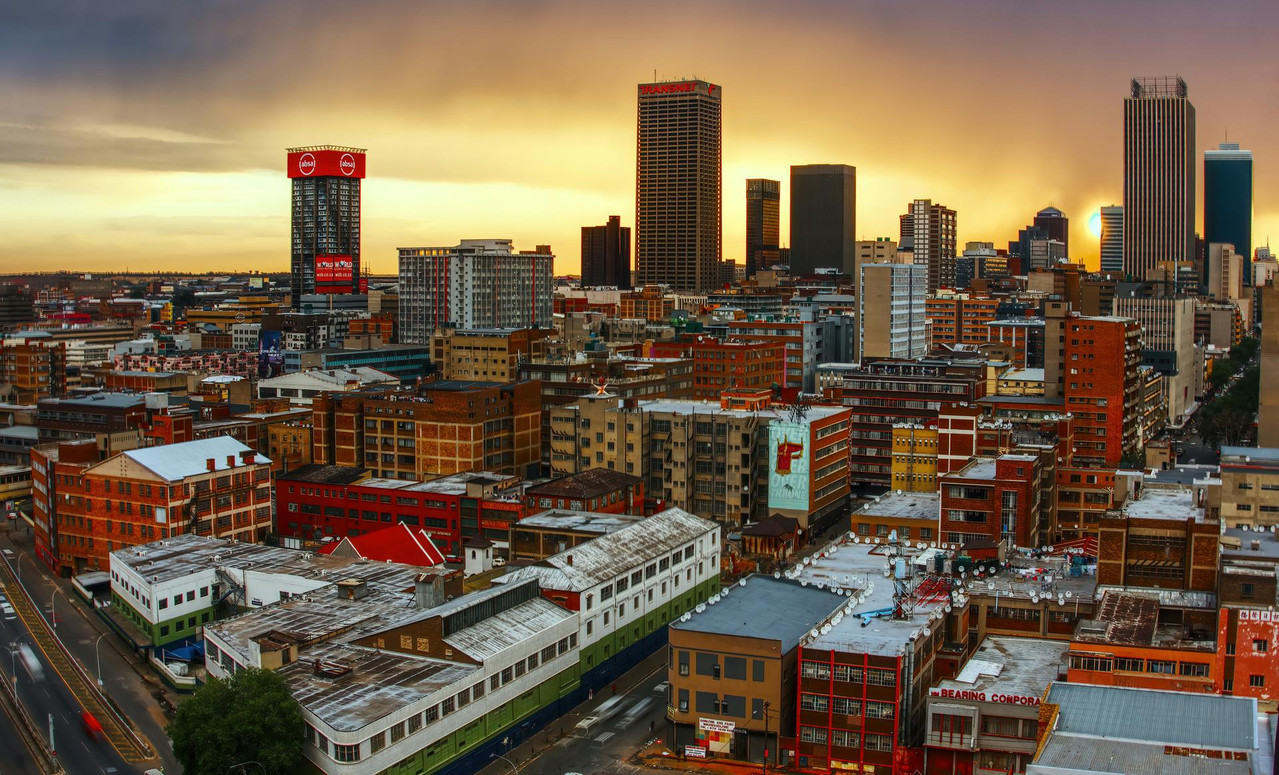
I wake up in a house that looks, from the outside, like it belongs in a lifestyle magazine. High walls, electric fencing, security cameras tucked into the corners. It’s quiet, almost too quiet, like the world is happening somewhere else. The street outside is empty. Nobody walks unless they have to.
Before I leave, there’s a routine I don’t even think about anymore. Gates locked. Alarm off. Quick scan of the street. You don’t drift through your morning here. You stay switched on.
Driving is where the day really starts. You don’t just get in the car and go. You plan. You know which routes feel safer, which intersections you don’t want to sit at too long, which neighborhoods you just don’t pass through. At night, some traffic lights are more like suggestions than rules. You learn to read the space around you constantly, like your brain is running a background process that never shuts off.
And then, ten minutes later, you’re in a completely different world.
Glass buildings. Coffee shops. People in workout clothes and designer sunglasses. Places like Sandton feel like they’re trying to prove something. Like if everything looks polished enough, you can forget what sits just a few kilometers away.
That contrast never really stops being strange. You can drive five minutes and go from wealth that feels almost excessive to poverty that hits you in the chest. It’s not hidden. It’s right there, layered into the city.
A lot of life happens in controlled spaces. Malls, restaurants, gated complexes. That’s where people meet, relax, spend time together. Not because everyone loves shopping that much, but because those are the places that feel safe enough to stay awhile.
So you eat out a lot. You meet friends for drinks. You go from one enclosed space to another. It becomes normal without you realizing it. Weekends revolve around it.
If you want nature, you can find it, but it’s not simple. The trails that feel open and free in other places often feel crowded or risky here. So even something as basic as going for a quiet hike becomes something you think through instead of just doing.
At home, life can be incredibly comfortable. That’s the other side of it. If you earn well, your lifestyle is high. Big house. Garden. Maybe help around the house. Good food, good wine, warm weather. There’s a sense that you can build a really good life inside your own bubble.
But that bubble is real.
Kids grow up differently here. They don’t just wander the neighborhood or bike to a friend’s house. Childhood is structured, supervised, contained. And because that’s all they know, it doesn’t feel strange to them. It just is.
There’s also this undercurrent of pressure. Status matters. What car you drive, what school your kids go to, how your house looks. It’s not everyone, but it’s there, especially in certain circles. You feel it in conversations, in social events, in the way people present their lives.
Then there’s the infrastructure. Some days everything works and you forget about it. Other days the power goes out and you’re reminded fast. You plan around outages. You buy backup systems if you can afford them. Water might cut out in some areas. It’s not constant chaos, but it’s unpredictable enough that it becomes part of how you live.
And still, somehow, people love it.
There’s energy here. Real energy. The people are open, talkative, alive in a way that feels different. The city moves fast. It’s messy, loud, uneven, but it has a pulse. You can feel it.
It’s not a place you drift through casually. It demands something from you. Awareness, adaptability, resilience. You don’t get to be naive here. But in exchange, you get a life that can feel big and intense and full.
Living in Johannesburg is a constant balancing act. Comfort and tension. Beauty and decay. Freedom inside limits.
You can have an incredible life here.
You just never forget where you are.