
There are bad television ideas.
There are catastrophically bad television ideas.
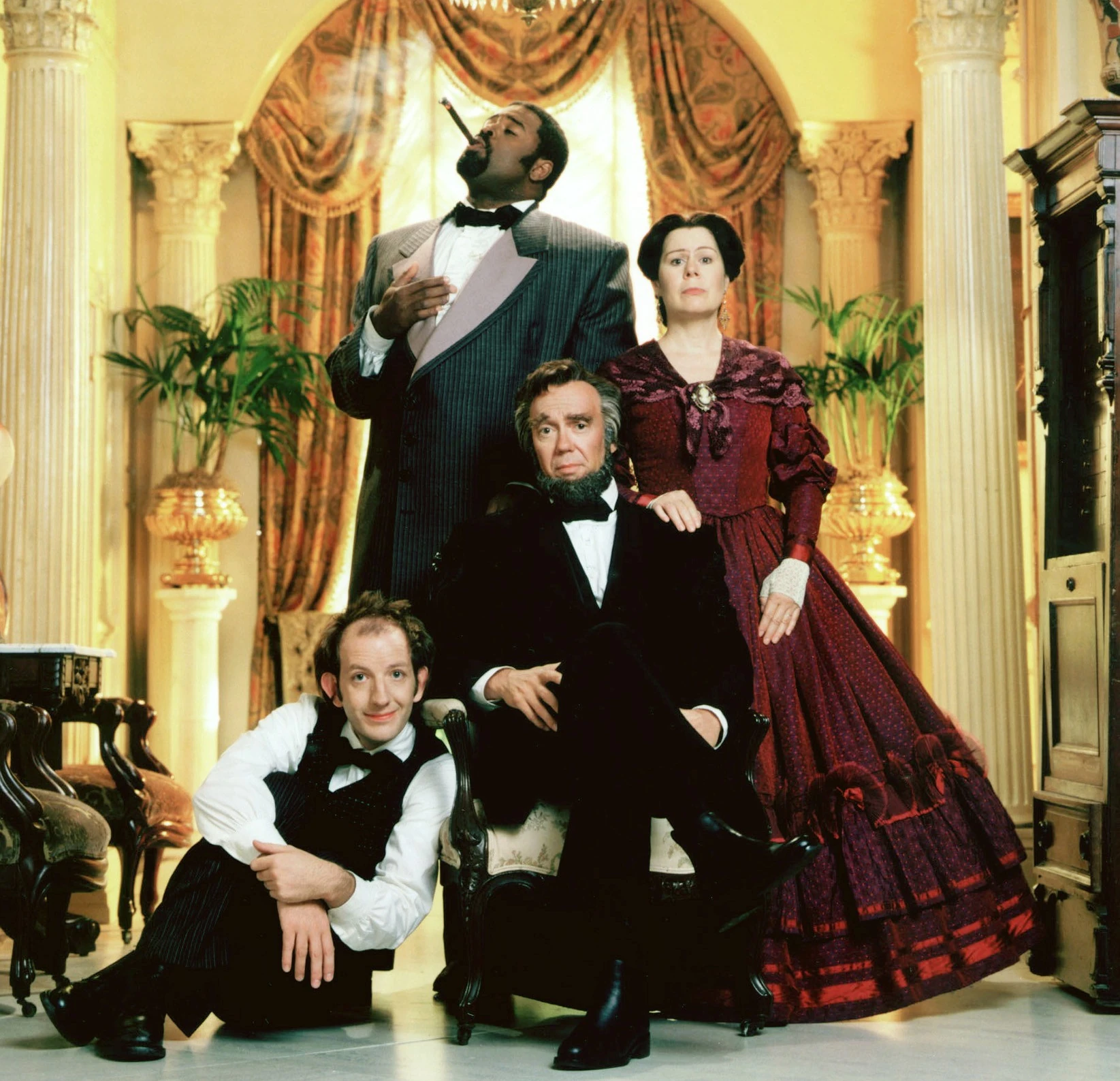
And then there is The Secret Diary of Desmond Pfeiffer, which somehow looked at slavery-era America and thought:
“You know what this needs? Laugh track.”
Not metaphorical laugh-track energy.
An actual laugh track.
And the craziest part is not that the show existed.
The craziest part is that multiple adults in suits sat in conference rooms, discussed this idea seriously, approved budgets, cast actors, built sets, filmed episodes, marketed it, and aired it on network television in 1998 like this was a totally reasonable thing to put between commercials for Pizza Hut and Mountain Dew.
That’s the part that sticks with you.
Because Desmond Pfeiffer doesn’t feel like a TV show. It feels like evidence.
Like historians in 2085 are going to discover VHS tapes of it buried under Los Angeles and conclude that late-90s television executives had finally lost all contact with earthly reality.
The premise alone sounds fake.
The show follows Desmond Pfeiffer, a Black English nobleman who becomes the valet to Abraham Lincoln during the Civil War. Which, okay, maybe there’s room there for satire. Maybe there’s some alternate-universe version of this concept that becomes a sharp political comedy.
This was not that version.
This version had Lincoln telling jokes about sex.
This version had slavery operating like background wallpaper while sitcom hijinks unfolded in the foreground.
This version had the energy of a show where somebody pitched: “What if Fresh Prince met Gone with the Wind?” and nobody in the room tackled them before they reached the parking lot.
And here’s what makes the story fascinating:
People hated this show before it even premiered.
Civil rights groups protested it. Activists condemned it. Critics were horrified by the concept alone. UPN kept going anyway, which feels incredibly late-90s in retrospect. That era of television had this specific kind of confidence where executives genuinely believed controversy itself was a marketing strategy.
Like if enough people yelled at you, that somehow meant you were making important art.
Sometimes controversy means you’re groundbreaking.
Other times it means you made a sitcom where enslaved people exist in the background while canned audience laughter erupts every eight seconds.
Important distinction.
The ratings collapsed almost immediately.
The show aired four episodes before getting yanked off television like a cursed artifact somebody accidentally opened in a museum basement.
And honestly? Four episodes feels generous.
What makes Desmond Pfeiffer so compelling now is that it accidentally became a perfect time capsule of late-90s television excess. This was peak “edgy network comedy” culture. Shock value was currency. Networks were desperately trying to be louder, weirder, and more provocative than each other because cable was growing and audiences were fragmenting.
This was the same general era that gave us things like Cop Rock — a musical police drama — and endless “very special episodes” where sitcoms tried to solve racism in 22 minutes between Taco Bell commercials.
Television executives in the 1990s were basically casino gamblers who occasionally wandered into morality by accident.
And there’s another layer to this story that makes it weirdly important.
Because Desmond Pfeiffer reveals something uncomfortable about how Hollywood often approaches history.
A lot of studios love historical suffering aesthetically. They love costumes. They love “important themes.” They love the visual language of seriousness.
But actually engaging honestly with history? That’s harder.
So what sometimes happens is history gets flattened into set decoration.
Pain becomes background texture.
Real suffering becomes atmosphere for entertainment.
And The Secret Diary of Desmond Pfeiffer accidentally exposed how dangerous that instinct can become when nobody in power stops and says, “Hey… maybe we should not do this.”
That’s why people still remember it.
Not because it was good.
Not because it was funny.
But because it feels impossible that it existed at all.
It’s the television equivalent of finding a fast-food restaurant at the edge of a volcano.
You don’t stare at it because you’re hungry.
You stare because you cannot believe somebody built it there.