
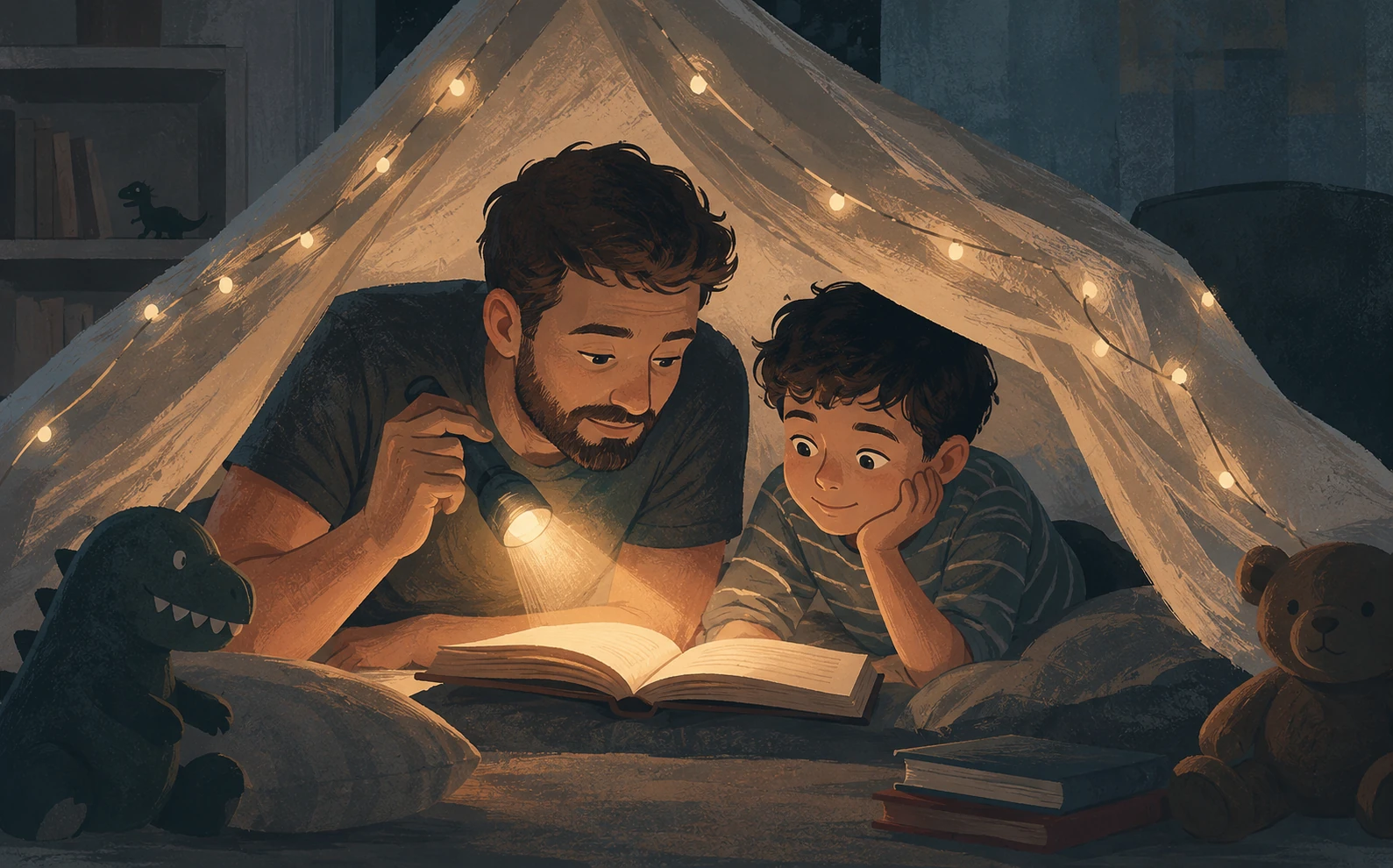
Every parent worries about leaving the right legacy.
There are questions that linger late at night. Was enough time spent together? Were too many hours lost to work? Did the mistakes outweigh the victories? Did the kids feel loved?
It’s tempting to believe children grow up cataloging every birthday party, every vacation, every Christmas gift, and every perfectly planned moment. But memory doesn’t work that way.
Children rarely remember a childhood as a collection of events. They remember it as a feeling.
Years later, they may not recall what was served for dinner on a random Tuesday or which toy was waiting under the tree when they turned eight. What stays with them is something much quieter: what it felt like to walk through the front door after school. Whether home felt safe. Whether mistakes were met with shame or understanding. Whether laughter came easily.
The emotional climate of a home lasts far longer than the details.
They Remember How Conflict Was Handled
Every family argues.
Parents lose their patience. Kids push boundaries. Siblings fight over things that seem absurd.
Conflict isn’t what shapes a child.
The way conflict ends does.
A home where disagreements are followed by repair teaches children that relationships can survive hard conversations. A sincere apology from a parent carries more weight than years of pretending to be perfect.
Children don’t need flawless parents.
They need adults willing to say, “I was wrong.”
That simple sentence teaches accountability far better than any lecture.
They Remember Being Seen
One of the deepest human needs is to feel noticed.
Not for achievements.
Not for report cards.
Not for trophies.
For simply existing.
Children remember the parent who looked up from the phone when they started telling a story. They remember someone asking about the weird drawing they made or listening to a five-minute explanation about dinosaurs, Minecraft, or space without rushing them along.
Being fully present for even a few minutes often matters more than being physically nearby all day while mentally somewhere else.
Attention is one of the purest forms of love.
They Remember Whether Home Felt Safe
Safety isn’t just physical.
Emotional safety matters just as much.
Children notice whether they’re allowed to cry without being mocked. Whether asking questions leads to curiosity or criticism. Whether mistakes become learning opportunities or sources of humiliation.
Growing up in a home where emotions are welcomed teaches resilience.
Growing up in a home where emotions are dangerous teaches concealment.
Many adults spend decades trying to unlearn the belief that their feelings are inconvenient.
They Remember the Little Rituals
The moments that become lifelong memories are often surprisingly ordinary.
Saturday morning pancakes.
Movie nights on the couch.
Bedtime stories.
Singing in the car.
Pizza every Friday.
Walking the dog together.
These routines seem insignificant while they’re happening because they’re repeated so often.
That’s exactly why they matter.
Consistency creates security.
Years later, those small traditions become the emotional landmarks of childhood.
They Remember Whether Love Had Conditions
Every child asks the same question, even if they never say it out loud:
“Am I still lovable when I mess up?”
The answer comes through everyday interactions.
When a bad grade leads to disappointment instead of rejection.
When a broken lamp matters less than the frightened child standing beside it.
When failure becomes a conversation instead of a verdict.
Children who know love isn’t earned grow into adults who don’t spend their lives trying to prove they’re worthy of it.
They Remember How Their Parents Treated Each Other
Children are always learning what relationships look like.
Not from lectures.
From observation.
They notice kindness.
They notice contempt.
They notice affection.
They notice silence.
The way adults speak to one another quietly becomes the blueprint children carry into future friendships, marriages, and workplaces.
Respect inside a home teaches more than thousands of conversations about respect ever could.
They Remember Feeling Welcome
Every family has busy seasons.
There are deadlines, bills, errands, appointments, and exhaustion.
But children remember whether they felt like an interruption or a priority.
They remember whether a parent smiled when they walked into the room.
Whether questions were welcomed.
Whether excitement was shared.
Whether there was room for them.
Feeling welcomed leaves an imprint that often lasts a lifetime.
Perfection Was Never the Goal
Social media makes it easy to believe childhood should look like a highlight reel filled with expensive vacations, elaborate birthday parties, and picture-perfect holidays.
But those aren’t the moments that shape a person’s life.
Children don’t need a perfect childhood.
They need a stable one.
They need adults who keep showing up.
Who apologize.
Who laugh.
Who listen.
Who make home feel like the safest place in the world.
Years from now, they probably won’t remember the cost of the presents or whether every family vacation went according to plan.
They’ll remember the feeling of sitting around the dinner table.
The sound of laughter coming from the kitchen.
The hugs after difficult days.
The sense that, no matter what happened outside those walls, there was one place where they belonged.
In the end, that’s the memory that lasts.