
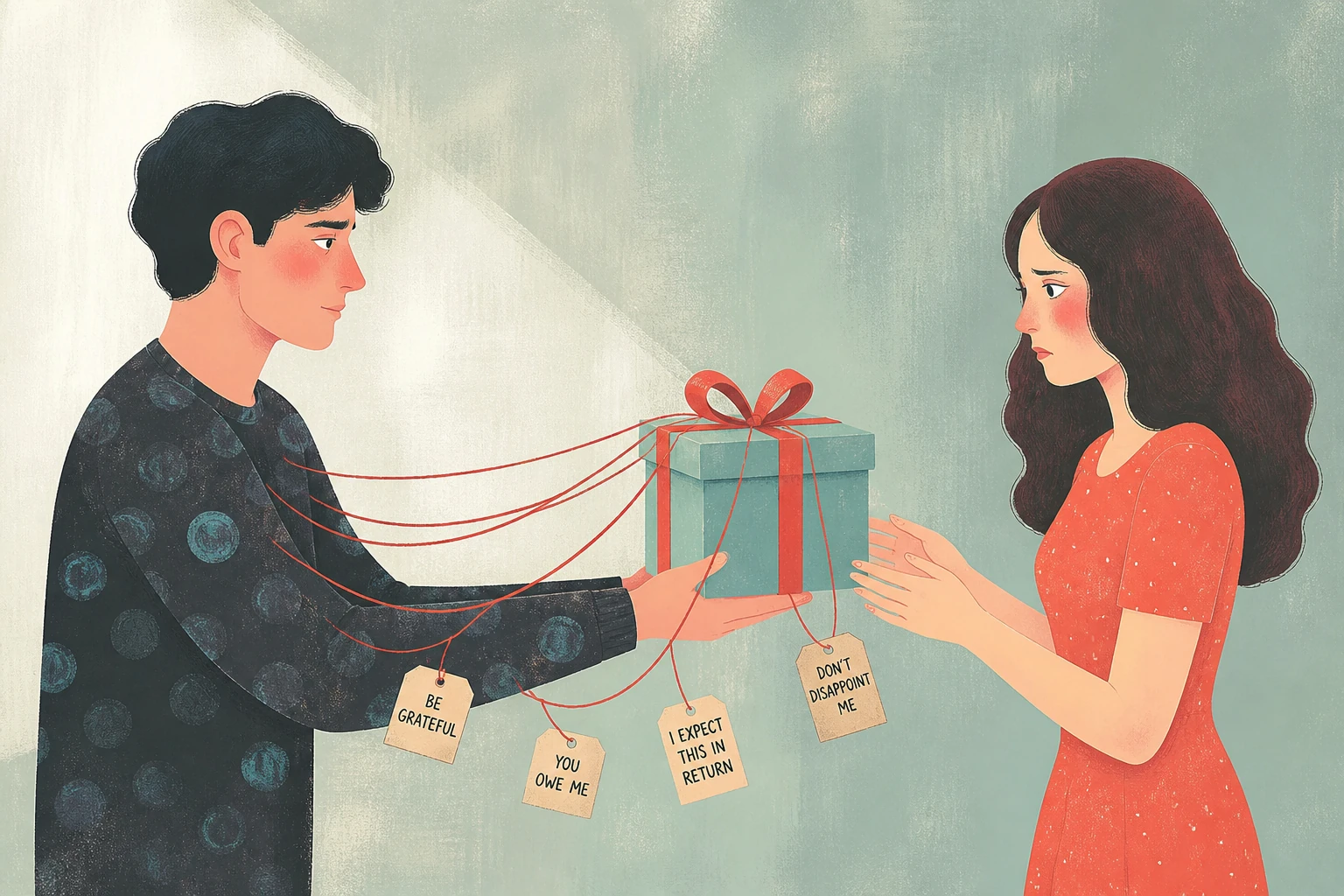
We say we’re generous. Thoughtful. Selfless. We say we give because we care.
But if you look a little closer, a lot of what we call “giving” is actually a subtle form of control.
Category
We say we’re generous. Thoughtful. Selfless. We say we give because we care.
But if you look a little closer, a lot of what we call “giving” is actually a subtle form of control.
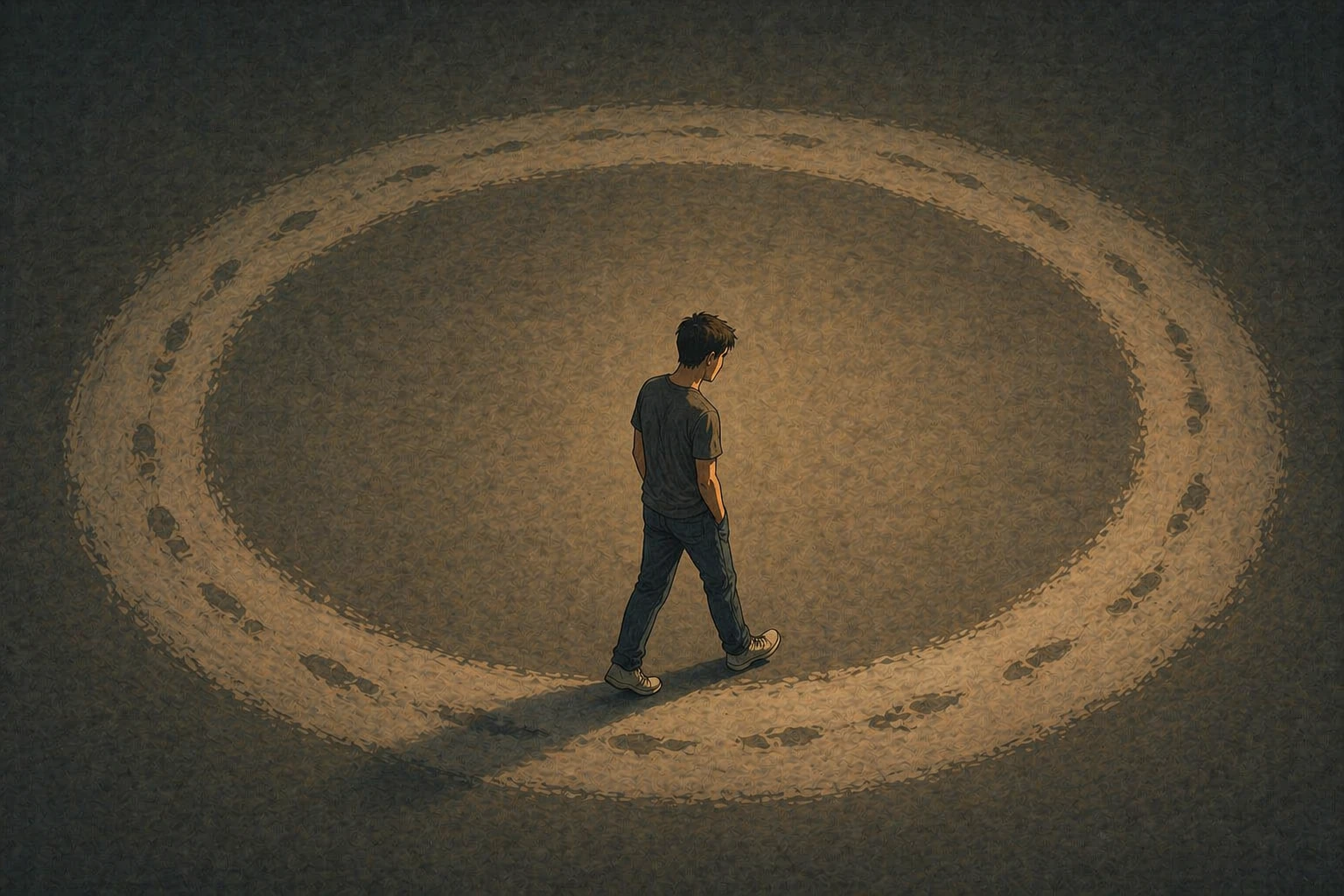
You tell yourself this is the last time.
The last text.
The last visit.
The last “maybe it’ll be different this time.”
And for a while, you believe it.

Let’s start with an uncomfortable truth: most of what you think gives you value… doesn’t.
Not your job. Not your income. Not your relationship status. Not how attractive you are, how productive you were today, or how many people liked your post.
All of that? It’s rented.
And like anything rented, it can be taken away.
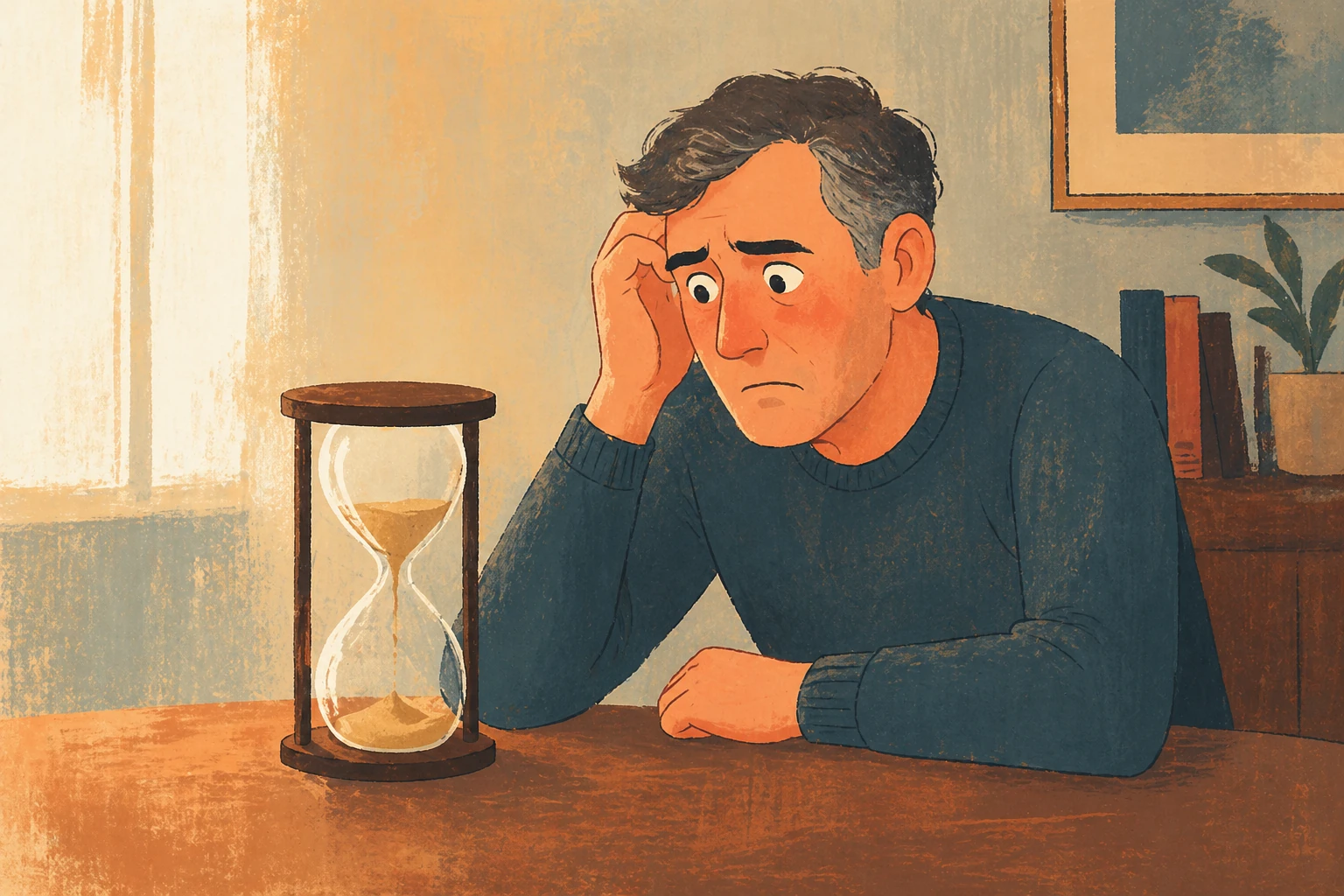
There’s a particular kind of anxiety that shows up in your 40s or 50s.
It doesn’t announce itself loudly. It doesn’t panic like a market crash or scream like a margin call. It just sits there quietly, in the background, doing the math.
You should have more by now.
Not more in the abstract. More in a very specific, uncomfortable way. More saved. More invested. More time behind you doing the work that compounds.
And once that thought takes hold, something subtle but dangerous begins to happen.
You stop thinking long term.
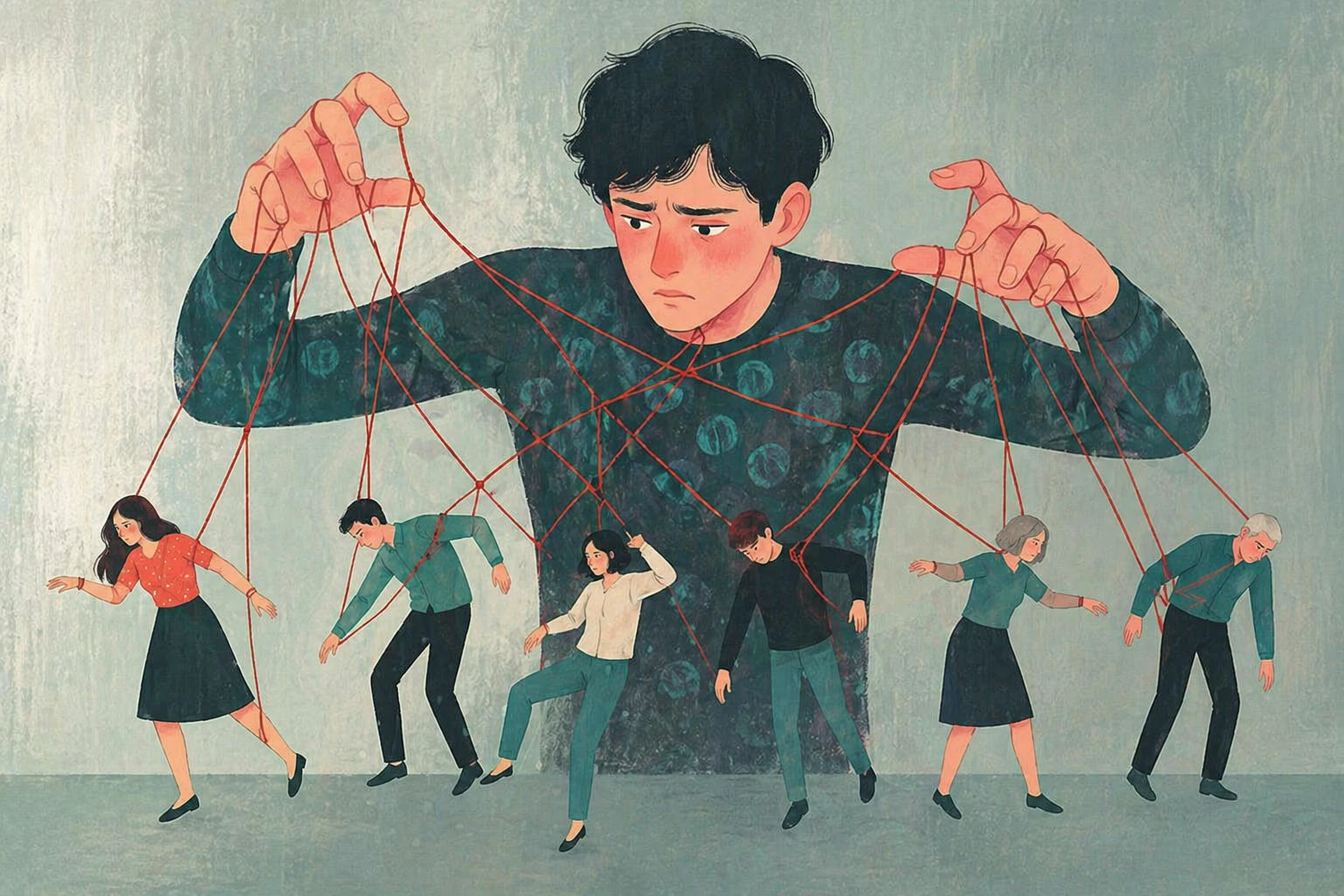
You’re not that powerful.
I don’t mean that as an insult. I mean it as a reality check.
Most of us walk around with this quiet, nagging assumption that if we just say the right thing, act the right way, dress a little better, explain ourselves more clearly, or try just a bit harder—we can control how people see us. That we can steer their thoughts. Shape their feelings. Engineer their perception of us like we’re tweaking a settings menu.
You can’t.

You wake up, grab your phone, and before your brain has fully booted up, you’ve already checked Instagram, skimmed a few headlines, maybe watched a couple of short videos. Nothing memorable. Nothing meaningful. But it felt like something.
That’s cheap dopamine.

Most people are terrible at apologizing.
Not because they don’t feel bad. But because they’re still trying to protect their ego while doing it.
So you get these half-apologies that sound like they came out of a corporate PR handbook:
“I’m sorry if you felt hurt.”
“I didn’t mean it like that.”
“I was just stressed.”
Translation: I care more about not being the bad guy than actually fixing what I did.

You ever catch yourself wanting something—not because you actually need it, not even because you really want it—but because of how it might look?
A nicer car. A more expensive watch. A cleaner, more aesthetic apartment. A vacation that photographs well.
And if you’re honest, the thought underneath all of it isn’t “this will make my life better.”
It’s: this will make me look like someone whose life is better.
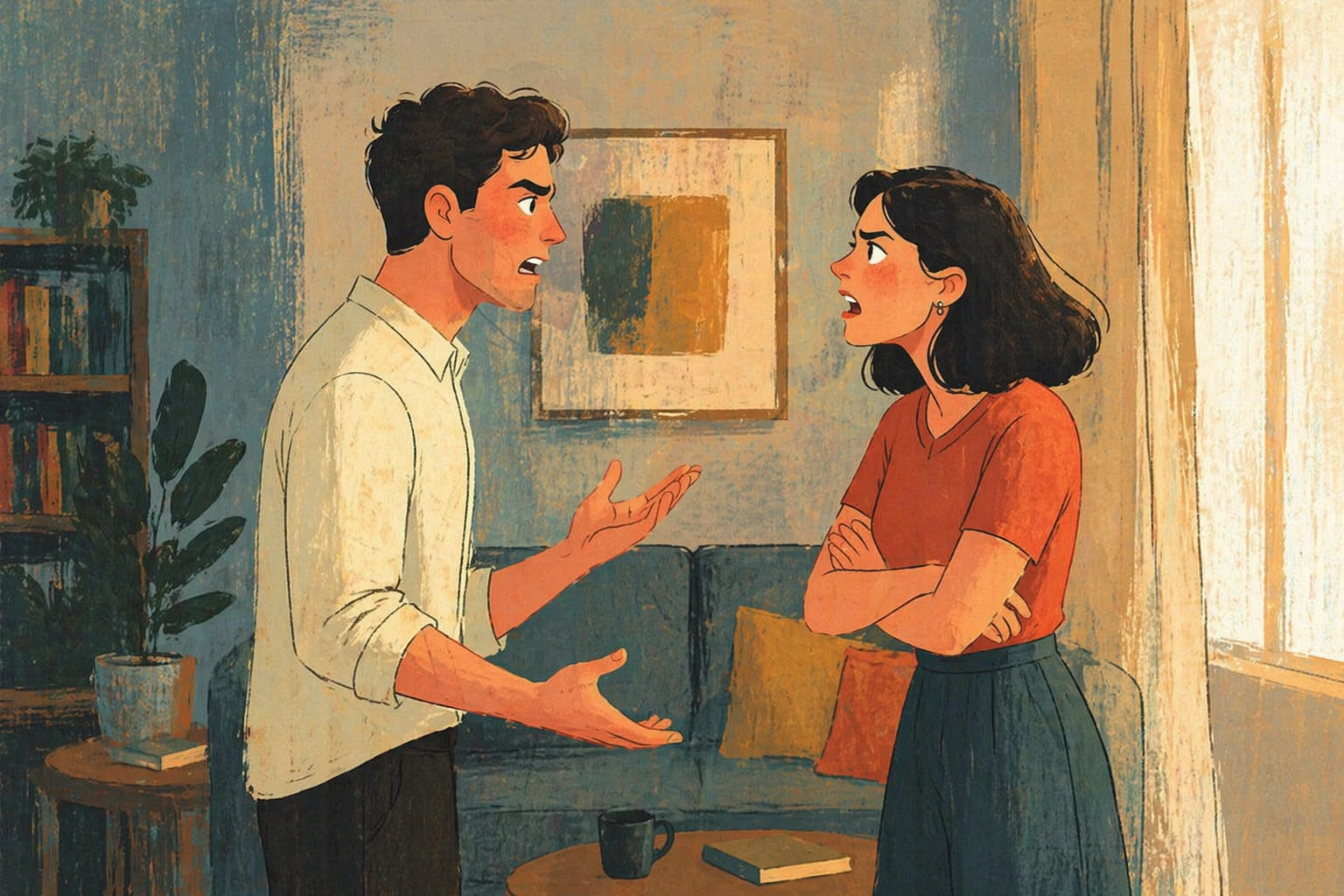
Most relationships don’t implode because of one massive betrayal. They fall apart slowly, quietly, through a thousand small moments where two people feel misunderstood, unappreciated, or straight-up attacked.
And here’s the uncomfortable truth: a lot of those moments come down to how we talk to each other.
Specifically, how we fight.
Because let’s be honest. When something bothers you, your instinct isn’t to calmly express your feelings like some enlightened monk. Your instinct is to go on offense.
“You never listen.”
“You always do this.”
“Why are you like this?”

Okay, we need to talk about your chronic over-apologizing. You know who you are. You say sorry when someone bumps into you. You say sorry when you ask for the check at a restaurant. You say sorry when you text a friend back after three hours instead of three minutes. You’re practically apologizing for existing, and honestly? It’s gotta stop.