
[Read more…] about This Is What Borderline Personality Disorder Looks Like

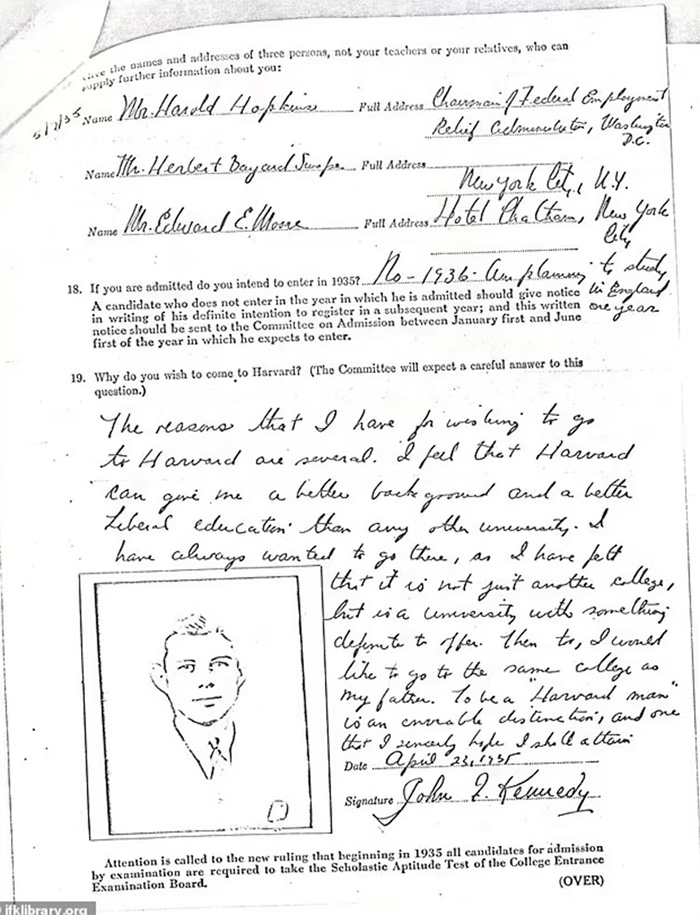
The reasons that I have for wishing to go to Harvard are several. I feel that Harvard can give me a better background and a better liberal education than any other university. I have always wanted to go there, as I have felt that it is not just another college, but is a university with something definite to offer. Then too, I would like to go to the same college as my father. To be a “Harvard man” is an enviable distinction, and one that I sincerely hope I shall attain.
April 23, 1935
John F. Kennedy

ATTENTION: Due to the epidemic that plagues our country and our neighbour’s and the loyalty to our principles, we want to aid government efforts and CDS to eradicate the lethal drug known as FENTANYL; now it won’t just be forbidden as it always has been within our business but now we will persecute and punish the people who make, sell, transport, or lace this drug
Atte: CARTEL DE TIJUANA
*CDS refers to Cartel de Sinaloa

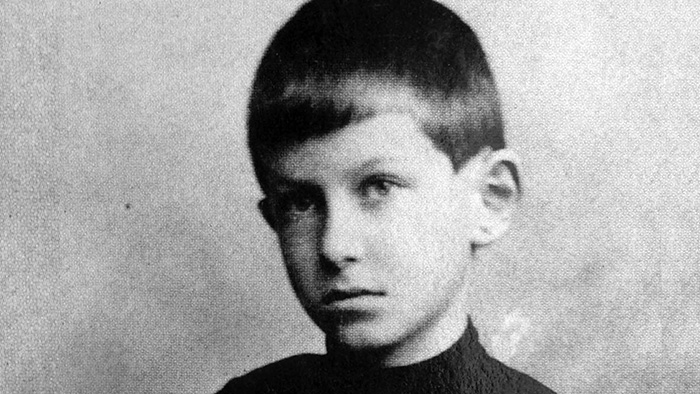
Born on April 1, 1898, in New York City, William James Sidis was the son of Boris Sidis, a psychologist, and Sarah Mandelbaum Sidis, a physician. Both parents were Jewish Ukrainian immigrants, and they recognized their son’s prodigious talents early on.
By the age of 2, Sidis was reading The New York Times. At 6, he had already taught himself Latin, Greek, Russian, French, German, and Hebrew. And by the age of 8, he had even written a comprehensive anatomy textbook.

During a recent NCAA football game against Juniata, Haley Van Voorhis, a safety for Division-III Shenandoah University, made history as the first female non-kicker to participate. She entered the game in the first quarter when Shenandoah was leading by 26 points and managed to register a quarterback hurry on third down.
Van Voorhis expressed her exhilaration after the match, stating to The Washington Post, “It’s an amazing thing. I just wanted to get out and do my thing. I aim to demonstrate to others what women are capable of and to show my own capabilities. This is a significant milestone. I turned the impossible into the possible, and that thrills me.”
Shenandoah ultimately defeated Juniata with a score of 48-7.
Standing at 5-foot-6 and weighing 145 pounds, this junior player had previously spent two seasons with the junior varsity team. The Plains, Virginia-born athlete attended Christchurch for high school, receiving a 2019 all-state honorable mention. Unfortunately, her senior season was called off due to the COVID-19 pandemic.
Apart from football, Van Voorhis showcases her athleticism in Shenandoah’s track and field team as a sprinter.

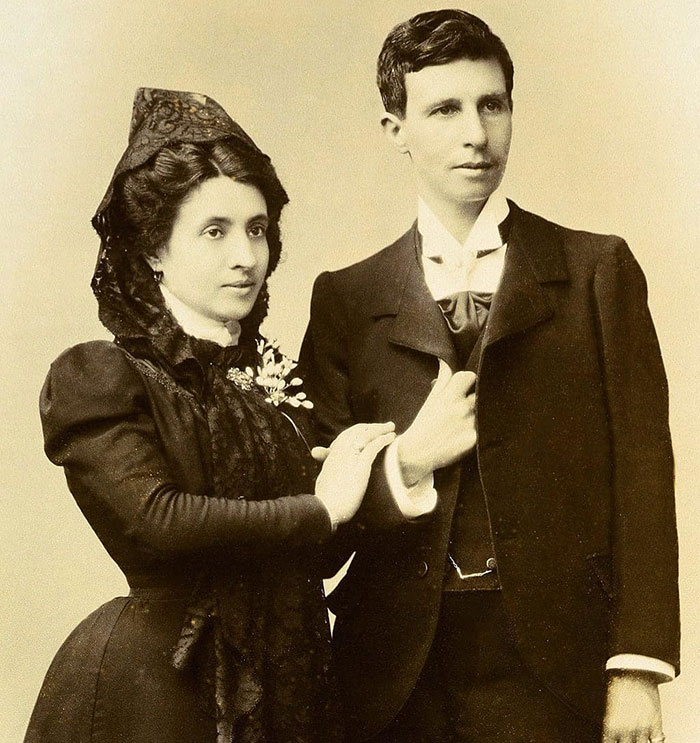
On their wedding day, Elisa disguised herself by cutting her hair, wearing a suit, and changing her name to “Mario” on the marriage certificate in Galicia, Spain, 1901. Elisa also created a fake backstory of how Mario was actually her cousin who was an atheist that wanted to be baptized. On their wedding day, Marcela was pregnant with the child of an unknown man. This was most likely pre-planned to help validate their marriage. Unfortunately, they would spend the rest of their lives being persecuted by the law.

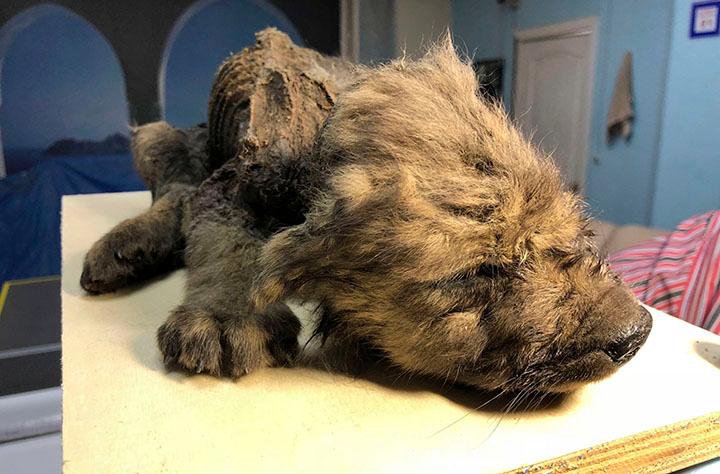
Locals found the remains in the summer of 2018 in a frozen lump of ground near the Indigirka River, according to the North-Eastern Federal University in Yakutsk. Parts of the animal are incredibly well-preserved, including its head, nose, whiskers, eyelashes and mouth, revealing that it still had its milk teeth when it died. Researchers suggest the animal was just two months old when it passed, though they do not know the cause of death.

The Second Vatican Council, often referred to simply as Vatican II, was the 21st ecumenical council of the Roman Catholic Church. It was convened by Pope John XXIII and took place from 1962 to 1965. The council was a watershed moment in the history of the Catholic Church, marking a significant shift in its approach to the modern world. Here’s a brief overview of its significance:

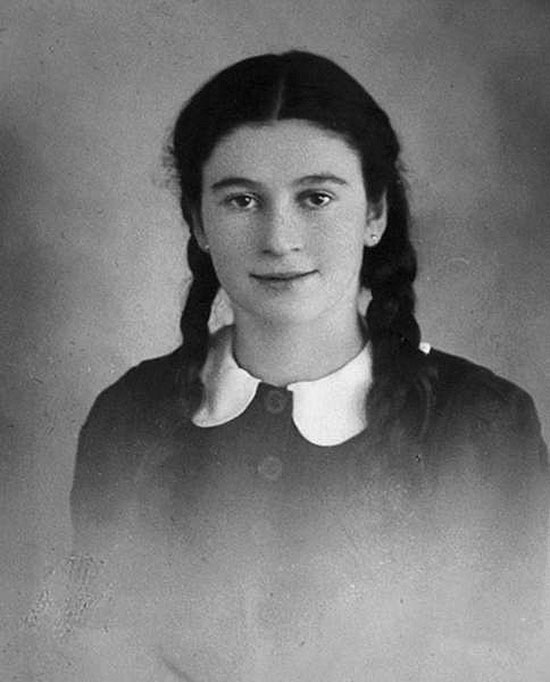
This is Gerda Weissmann Klein.
She spent three years in several different Nazi concentration camps. In late January of 1945, Gerda and 4,000 other Jewish women were forced to embark on a 350-mile death march to flee the advances of the Allied forces.
By early May, Gerda was one of only 120 women who were still alive. The rest—including several of her childhood friends—had died from exhaustion, starvation, random executions, and exposure to the elements.
Gerda was one day shy of her 21st birthday when she was rescued by American soldiers. Weighing only 68 lbs. (30.84 kg), Gerda’s hair was nearly white and her clothes were tattered and crawling with lice. She hadn’t taken a bath in three years.

Mummy unrollings were only one symptom of the Egyptomania sweeping England in the 19th century. Europeans had been buying mummies since Shakespeare’s times to use them as medicine, pigment or even charms; now, the Napoleonic wars and England’s colonial expanse had created a renewed interest in Egypt’s past, to the point that, as the French aristocrat and Trappist monk Abbot Ferdinand de Géramb wrote to Pasha Mohammed Ali in 1833, “it would be hardly respectable, on one’s return from Egypt, to present oneself without a mummy in one hand and a crocodile in the other.”