

This question comes up all the time, and it sounds like a gotcha. But it’s actually based on a simple misunderstanding of how evolution works.
Let’s clear it up—without jargon, without condescension, and without pretending this is complicated.
Category
This question comes up all the time, and it sounds like a gotcha. But it’s actually based on a simple misunderstanding of how evolution works.
Let’s clear it up—without jargon, without condescension, and without pretending this is complicated.

Eunuchs tend to show up in history the way sharks show up in ocean documentaries: briefly, ominously, and usually right before something important happens.
They’re almost always portrayed as villains, schemers, or tragic figures. And yet—empire after empire kept creating them. Which should immediately raise a question.
Why would so many civilizations independently arrive at the same brutal solution?
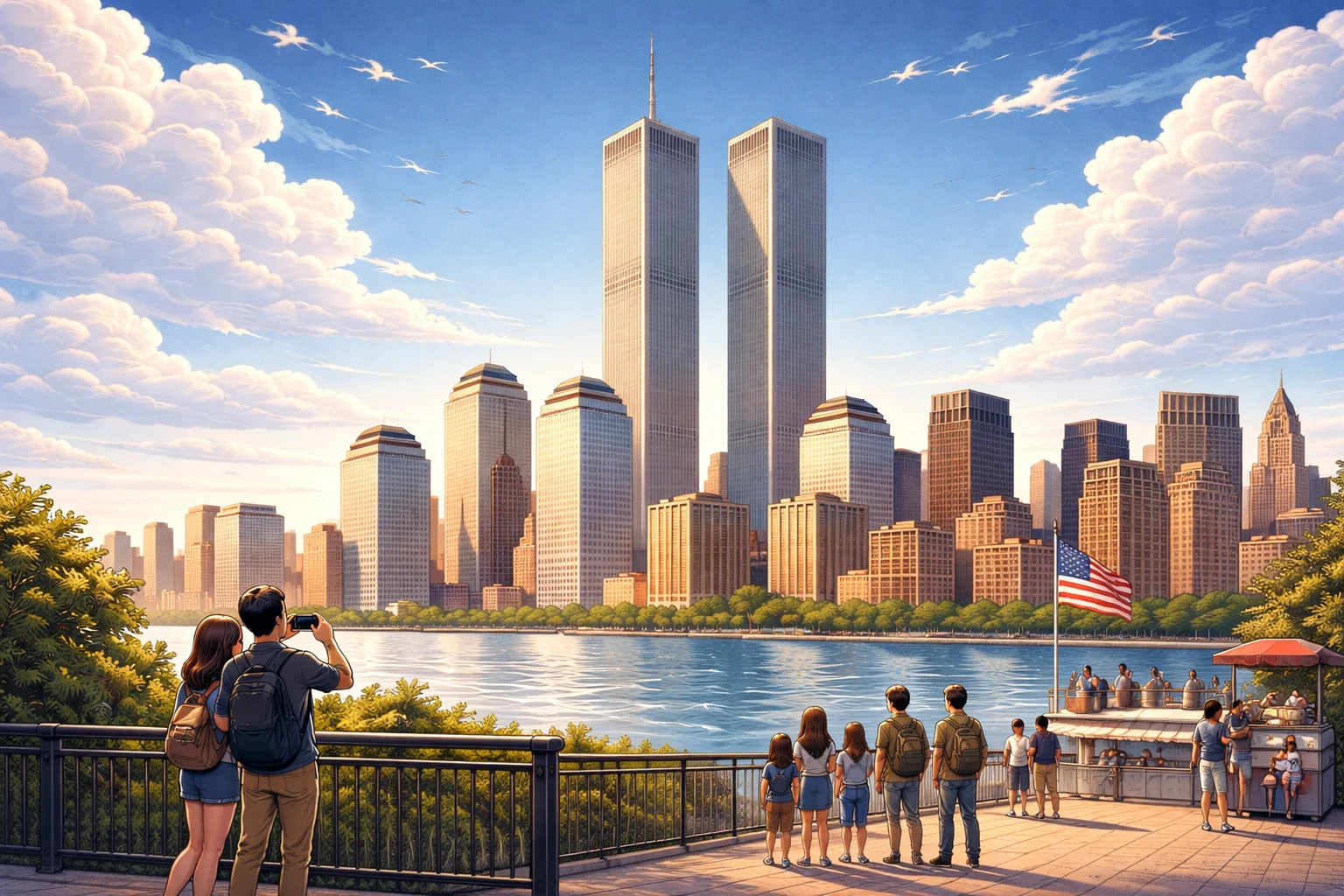
It’s one of those counterfactual questions that keeps historians up at night: What if September 11, 2001 never happened? Not delayed. Not partially foiled. Just… never happened at all.
The reason the question matters isn’t nostalgia or morbid curiosity. It’s that 9/11 didn’t just change policy—it rewired daily life, geopolitics, technology, culture, and the psychology of an entire generation. To imagine a world without it is to imagine a different 21st century.
This isn’t about pretending history could be clean or peaceful. Violence, terrorism, and conflict existed long before 2001 and would have continued. But the shape of the modern world—the trade-offs we accepted, the fears we normalized—would look profoundly different.

When Donald Trump first floated the idea of buying Greenland in 2019, and then renewed that interest in his second term, many people treated it as a joke or a bizarre whim. But while the idea of “buying” a country in the 21st century is certainly unconventional (and diplomatically fraught), the reasons behind his interest are rooted in hard geopolitical strategy.
To understand why a U.S. President would want this massive, icy island, you have to look at it through three lenses: Military Location, Rare Resources, and Global Competition.
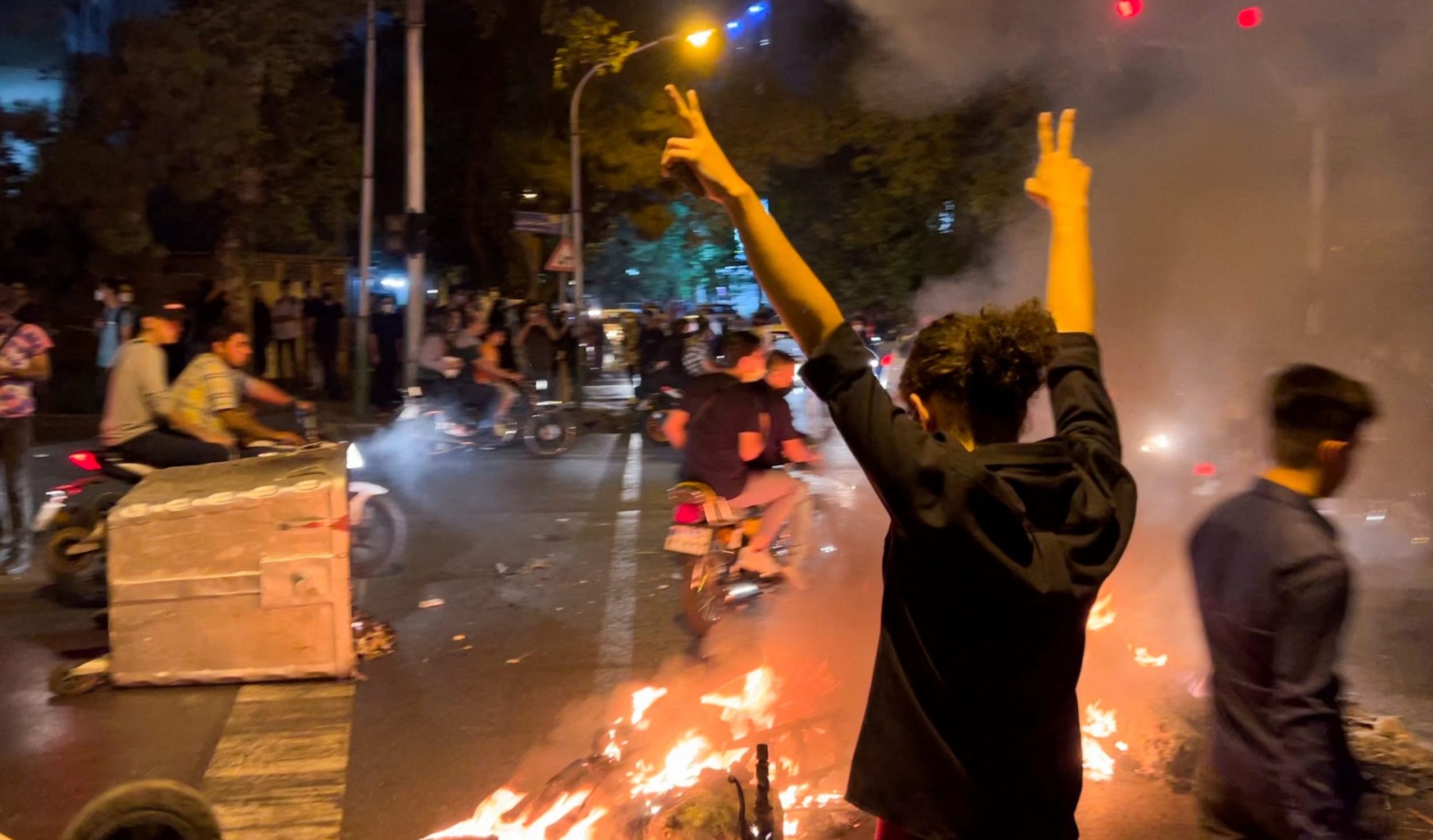
Iran is currently in the grip of its most significant and volatile uprising since the 1979 revolution. What began in late December 2025 as localized frustration over soaring prices has rapidly mutated into a violent, nationwide movement explicitly calling for the end of the Islamic Republic.
Unlike previous waves of unrest, which were often driven by specific social issues or concentrated among the urban middle class, today’s protests are a “revolution of the hungry.” The current crisis is characterized by a lethal government crackdown, a near-total information blackout, and a convergence of economic collapse and political fury that has brought an unprecedented cross-section of Iranian society onto the streets.

The term “sovereign citizen” refers to a loose but rapidly growing subculture of Americans who believe they are not subject to most state and federal laws. To outsiders, their arguments often sound like a chaotic mixture of legal jargon, conspiracy theory, and pseudo-history. To adherents, however, they represent a hidden legal reality — a system of secret rules and forgotten contracts that, once properly understood, allows an individual to opt out of government authority entirely.
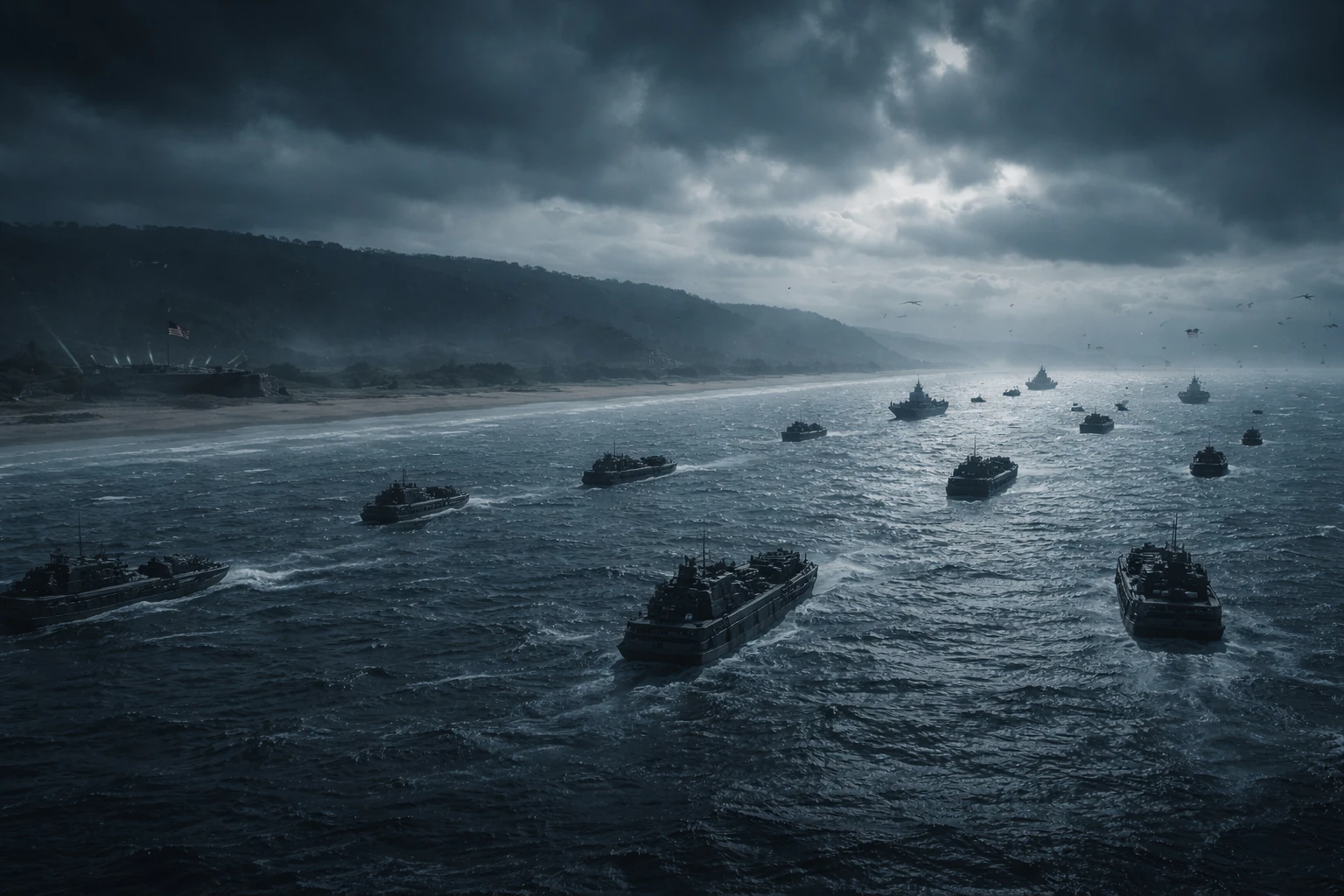
From a distance, the United States looks like a normal country. It has borders. It has cities. It has coastlines that stretch for thousands of miles and beaches that, on a clear day, look no different from anywhere else on Earth. If you were standing on the deck of a ship far out at sea, the shoreline would not look especially intimidating. It would look empty. Peaceful. Almost inviting.
But that first impression is a lie.

Venezuela possesses the largest proven oil reserves on the planet—over 300 billion barrels, significantly more than Saudi Arabia. Yet, its oil production has collapsed from a peak of over 3 million barrels per day (bpd) in the late 1990s to roughly 1 million bpd today.
This was not an overnight accident. It was a slow-motion dismantling of a world-class industry. Here is the detailed breakdown of how it happened.

The concept of an even wealth redistribution in the United States—often called a “Great Leveling”—is a thought experiment that challenges the very mechanics of modern civilization. If we were to take the nation’s total household net worth of roughly $150 trillion and divide it equally among all 335 million residents, the math produces a staggering figure:

A country with a declining birth rate is like a car running on empty. You might be cruising smoothly now, but sooner or later, you’re going to stall. And when a nation’s population begins to shrink, the gears of its entire system—economics, social structures, even its identity—start grinding to a halt.