Reveling in the Chaos of It All

Tag

Tag: ww2

Answers

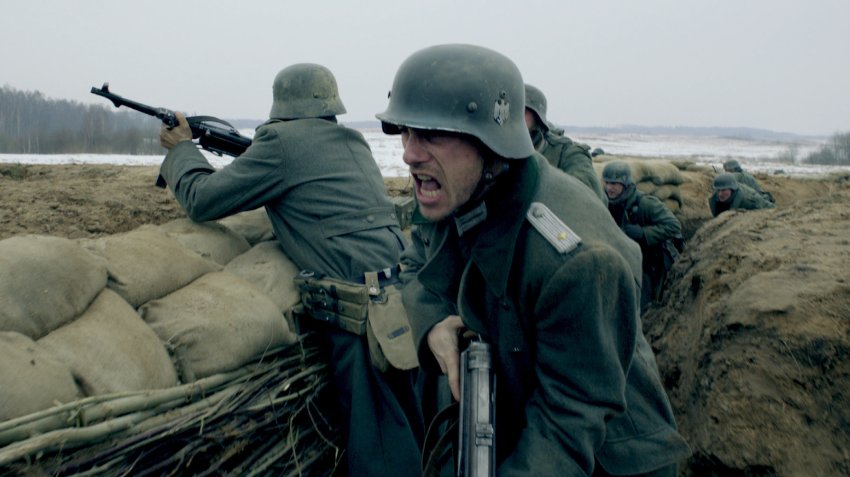
I’m a German soldier in 1939. What are my chances to survive until 1945?

By the end of the war the Germans had 12.5 million men under arms. Over 4 million died during the war.

Survival depended upon where you were stationed.

If you were in the East there was a much higher chance of being killed and wounded than if you were in the West or in Denmark or Norway.

At the edges of the most vicious battles, such as the fighting near Vienna near the end of the war, or in Silesia, or in Czechoslovakia (where the Germans won major victories til the very last day) the chances of dying were very high.

Read the rest: I’m a German soldier in 1939. What are my chances to survive until 1945?
Interesting

The Man Who Fought World War II for 28 Extra Years

The jungle sweltered, a thick canopy choking out the sun. Insects buzzed in a relentless symphony, punctuated by the occasional screech of unseen creatures. For 28 years, this had been Shoichi Yokoi’s world, a far cry from the rice paddies of his Japanese village. A soldier declared dead, he was a ghost haunting the verdant shadows of Guam, oblivious to the war’s end and the life that had moved on without him.

Read the rest: The Man Who Fought World War II for 28 Extra Years
Answers

What Was The Last Night Like For Kamikaze Pilots

kamikaze pilots

Despite the numerous published testaments, photographs, and films that depict smiling pilots saluting or waving goodbye as they take off on their final mission, a rare description of the night before departure tells a very different story. It occurs in a letter written on June 21, 1995, by Kasuga Takeo, who was eighty-six years old at the time, addressed to Umezawa Shōzō.Kasuga was drafted and assigned to look after the meals, laundry, room cleaning, and other daily tasks for the tokkōtai pilots at the Tsuchiura Naval Air Base. He describes the night before their final flights:

Read the rest: What Was The Last Night Like For Kamikaze Pilots
Picture Of The Day

Picture of the Day

Hans-Georg Henke – 16 year old German soldier crying after being captured by the Allies, 1945

Hans Georg Henke’s story is a poignant illustration of the impact of World War II on the lives of young Germans. At just sixteen years old, Henke, a member of the Hitler Youth, became a symbol of the devastation wrought by the war.

Born into a family soon to be struck by tragedy, Henke’s life took a dramatic turn after the death of his father in 1938 and his mother in 1944. The loss left the family destitute, forcing a young Hans Georg, at just 15, to join the Luftwaffe anti-air squad to support his siblings. His role involved manning a battery of 88mm guns, a significant responsibility for someone so young.

Henke’s life during the war is marked by two contrasting narratives. According to his own account, he was stationed in Stettin and was eventually pushed back towards Rostock as the Soviets advanced. However, American photojournalist John Florea presents a different story. Florea claims to have captured the iconic photographs of a tearful Henke in Hessen, in the village of Hüttenberg-Rechtenbach, north of Frankfurt am Main. These images show a young soldier in despair, overwhelmed by the horrors of war.

The photographs depict Henke crying from combat shock. Florea asserts that Henke’s tears were not due to his world crumbling but rather the immediate shock of combat.

He lived until October 9, 1997, passing away at the age of 69 in Brandenburg, Germany. His story, particularly the powerful images of his capture, has been widely used to

Source

Answers

What Was It Like To Fight Americans During World War 2?

If you were a German fighting Americans at the start of Operation Torch in Tunisia, you’d have a mixed view of American soldiers.

They were certainly brave, but they lacked experience of the British and ran into ambushes that the Brits had learned to avoid in 1941.

Their equipment was generally good, and they were well supplied.

So well supplied in fact, that you and your unit was evacuated to Sicily after your own supplies dwindled to nothing and the Americans were able to flank you.

Read the rest: What Was It Like To Fight Americans During World War 2?
Answers

Did Japanese WW2 Soldiers Suffer From Psychological Effects Of Their War Crimes?

Immediately after the war, a large number of medical clinics were set up in Japan to treat wounded Japanese soldiers.

Of approximately 30,000 patients seen in these clinics, around 10,000 of them suffered from mental illnesses, such as “war neurosis.”

The Japanese government did their best to suppress any knowledge of said psychological trauma (indeed a 1938 Imperial Japanese Army (IJA) statement declared how Japanese soldiers did not suffer war neurosis unlike Western soldiers).

For the IJA, “war neurosis” was something that detracted from the “masculinity” of the IJA, and it was utilized and associated with “hysteria,” which was often used as a blanket diagnosis for women in the West.

Read the rest: Did Japanese WW2 Soldiers Suffer From Psychological Effects Of Their War Crimes?
Answers

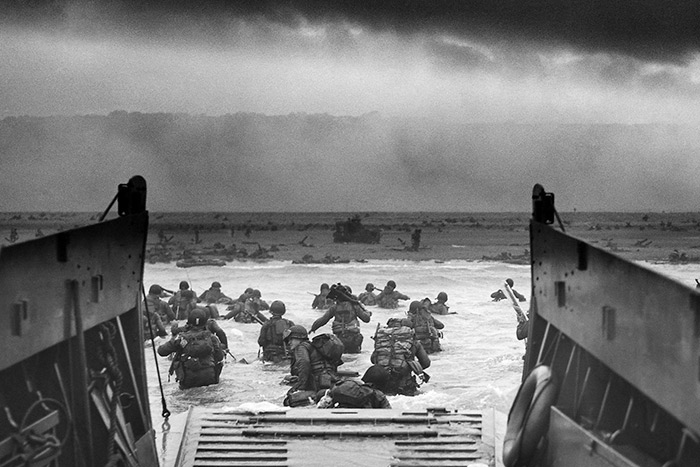
How Easily Would The U.S. Military Take Omaha Beach Today?

omaha beach vs modern military

The most important difference between 1944 and today would be in the realm of guided munitions.

I once heard that a single F-15 packs as much firepower as an entire squadron of World War II–era bombers when you take into account explosive weight and the percentage of ordnance you can get on target. (Keep in mind, the F-15 is a fighter/bomber, not a dedicated bomber. If we start talking about the B-52, things get even crazier.)

Read the rest: How Easily Would The U.S. Military Take Omaha Beach Today?
Picture Of The Day

Picture of the Day

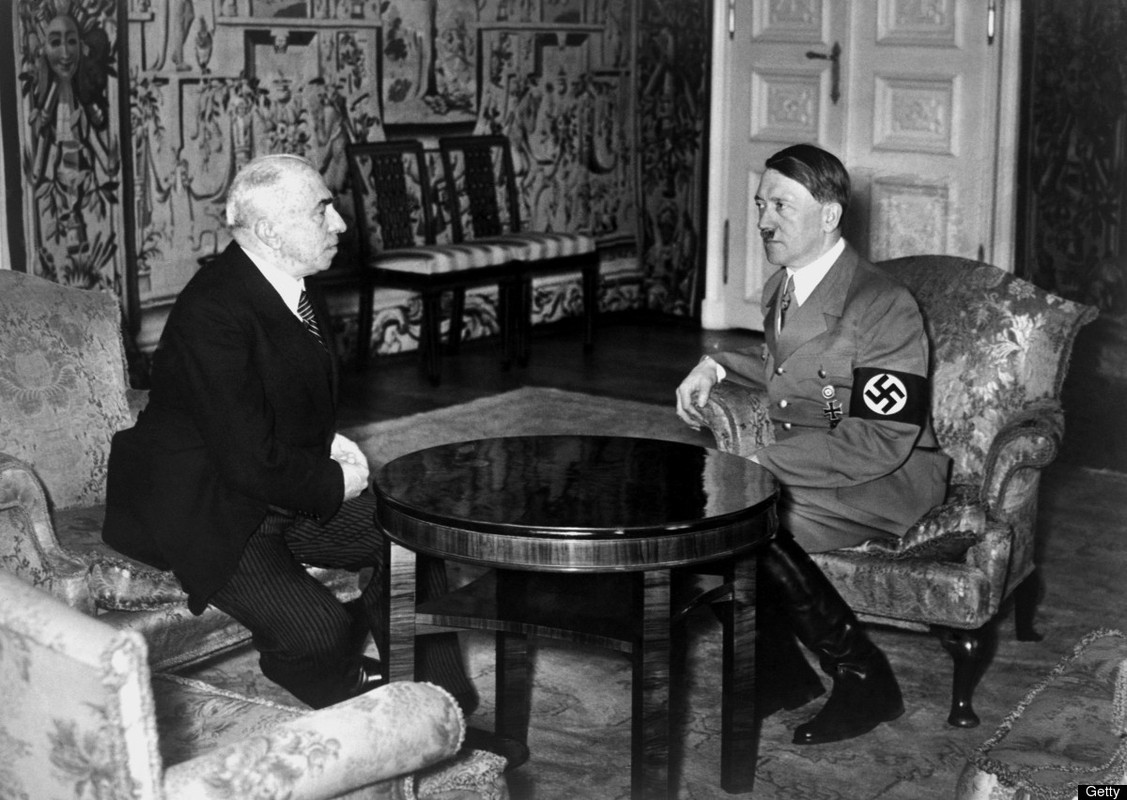
Adolf Hitler informs Czech President Emil Hácha of the imminent German invasion of Czechoslovakia on March 15, 1939 in Berlin. Hácha suffered a heart attack during the meeting, and had to be kept awake by medical staff, eventually giving in and accepting Hitler’s surrender terms.

In the evening of 14 March 1939, Hitler invited President Hácha to the Reich Chancellery in Berlin. Hitler deliberately kept him waiting for hours, while Hitler watched a film.

Finally, at 1:30 a.m., on 15 March 1939, Hitler saw the President. He told Hácha that as they were speaking, the German army was about to invade Czechoslovakia.

All of Czechoslovakia’s defences were now under German control following the Munich Agreement in September of the previous year.

Read the rest: Picture of the Day
Picture Of The Day

Picture of the Day

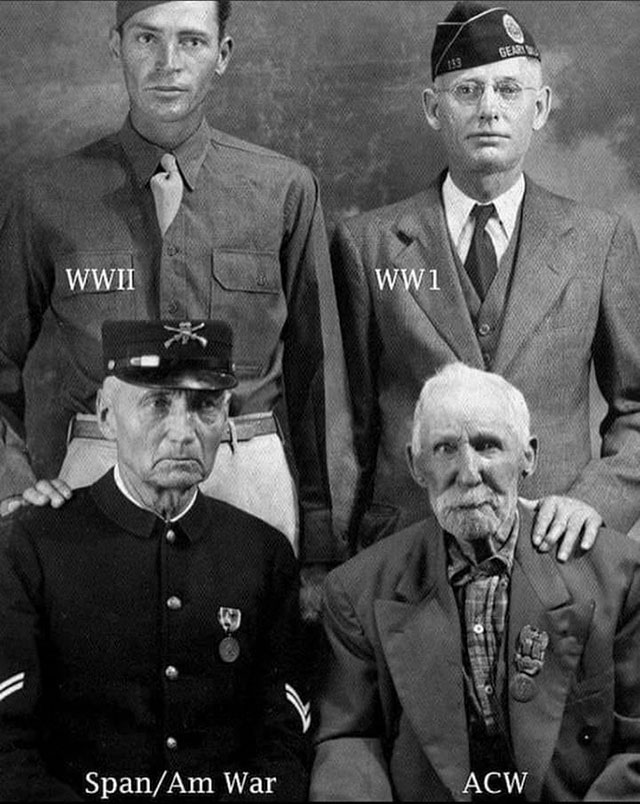
4 people from the same town who fought in different wars.

4 people from the same town who fought in different wars.

The eyes of four men, captured in a single photograph, tell a story of approximately 80 years of warfare. The horrors they witnessed and the experiences they shared are reflected in their eyes, growing more profound as they aged. Each of these men went to war, yet their experiences spanned completely different types of warfare.

Read the rest: Picture of the Day